Why Zack Littell Could Be the Smart, Low-Risk Free-Agent Bet the Brewers Need Right Now .MH

I’m a pretty big believer in the depth of the Milwaukee Brewers’ starting rotation, heading into 2026. They currently have Freddy Peralta, Brandon Woodruff, Quinn Priester, Jacob Misiorowski and Chad Patrick penciled into the five slots in that rotation, but crucially, they also have Logan Henderson, Robert Gasser, Aaron Ashby, DL Hall and Coleman Crow as candidates for starting roles in the event of injuries or trades. That’s not counting Ángel Zerpa, in whom I don’t believe there’s much ceiling as a starter but whom the team has been open to considering for that role.
If you’re looking for the soft underbelly of the midwestern dragon that is the Brewers, though, the second and third tiers of that group of prospective starters are the first places to poke and prod. The lineup is, if anything, even deeper, and the team’s farm system is richer on the position-player side than in arms. The bullpen is bulletproof, not only chock-full of talent but boasting an extraordinary number of interchangeable and optionable arms. It’s in the ability of Priester to build on his breakout; the ability of Woodruff to stay healthy; the abilities of Misiorowski, Patrick, Ashby, Henderson or Gasser to make the one key adjustment needed to establish themselves more firmly as starter-capable big-leaguers; and the ability of the Brewers to hold onto Peralta while building a World Series contender on a budget that uncertainty lurks for this team.
Thus, an infusion of talent and stability at the back end of the prospective rotation would make sense. The Brewers have been smart and opportunistic with such moves the past few winters, including late pickups of Jakob Junis for 2024 and José Quintana for 2025. This time, though, they should aim incrementally higher and nab free-agent starter Zack Littell.
You can ask some hard questions about the fit between Littell and the Brewers, and you might not even get positive answers. For instance, the Brewers tend to like pitchers who do well by Baseball Prospectus’s model-driven DRA, but Littell had a 107 DRA- in 2025, where 100 is average and lower is better. He hasn’t been better than average since 2023, and that was in just 90 innings. He’s been an improbable workhorse starter the last two seasons, totaling over 340 total innings, but that comes after a career that began as a strictly fastball-slider reliever. He threw his slider nearly half the time until four years ago, and it’s not even a plus pitch.
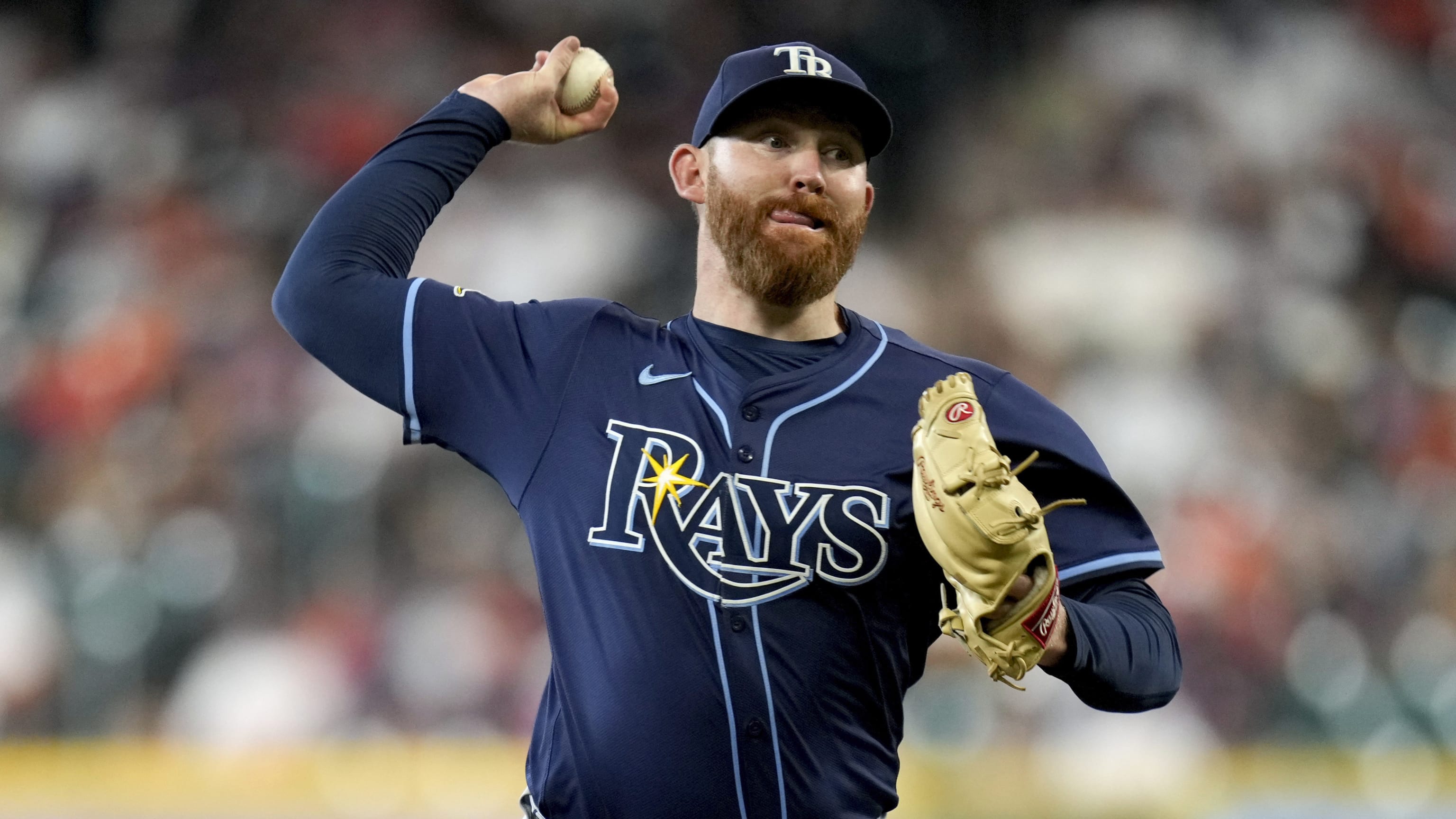
Littell learned a splitter in 2022 and has made it a staple of a much-expanded arsenal, but his two fastballs are both underwhelming. He doesn’t utilize a bifurcated approach, where he focuses on two or three pitches against each handedness of batter; he throws the kitchen sink at everyone. He’s survived by absolutely hammering the strike zone over the last two years, with an ERA under 3.75 across 61 starts, but he doesn’t miss many bats and the advanced metrics tell us that he’s doomed to run into more trouble as he ages.

Why, then, does Littell suit the Brewers well? Firstly, he should come cheap, for such a sturdy starting pitcher. The brevity of his track record and the lack of a single pitch or trait that lights up most teams’ valuation models will probably prevent him from earning an eight-figure salary on a multiyear deal, as Adrian Houser just did with the Giants. Littell offers a strange but real flavor of durability at a cost that is unlikely to reflect that reliability.
He’s also a great pitcher to put in front of Milwaukee’s stellar defense. A young and athletic team, the Brewers catch the ball and convert batted balls into outs as well as anyone in baseball most years, and Littell (who has walked fewer than 4.5% of opposing batters since moving to the rotation in mid-2023) will lean nicely into that team strength. He’s liable to give up too many home runs, but letting the defense work and racking up innings to shield the bullpen from overuse has significant value, in itself.

That assumes that Littell doesn’t materially change how he goes about things. In reality, the Brewers would probably make some significant changes. They’d be likely to tweak his slider to behave more like a cutter, but also have him use it less and lean harder on his sweeper. They would almost certainly also move him across the pitching rubber. Littell moved from the middle of the rubber to the extreme first-base edge of it when he moved to the rotation in 2023; the Brewers would almost surely move him to the third-base side. That would fix some issues with the interaction between his fastballs and his slider and splitter, and might even change the way those heaters play.
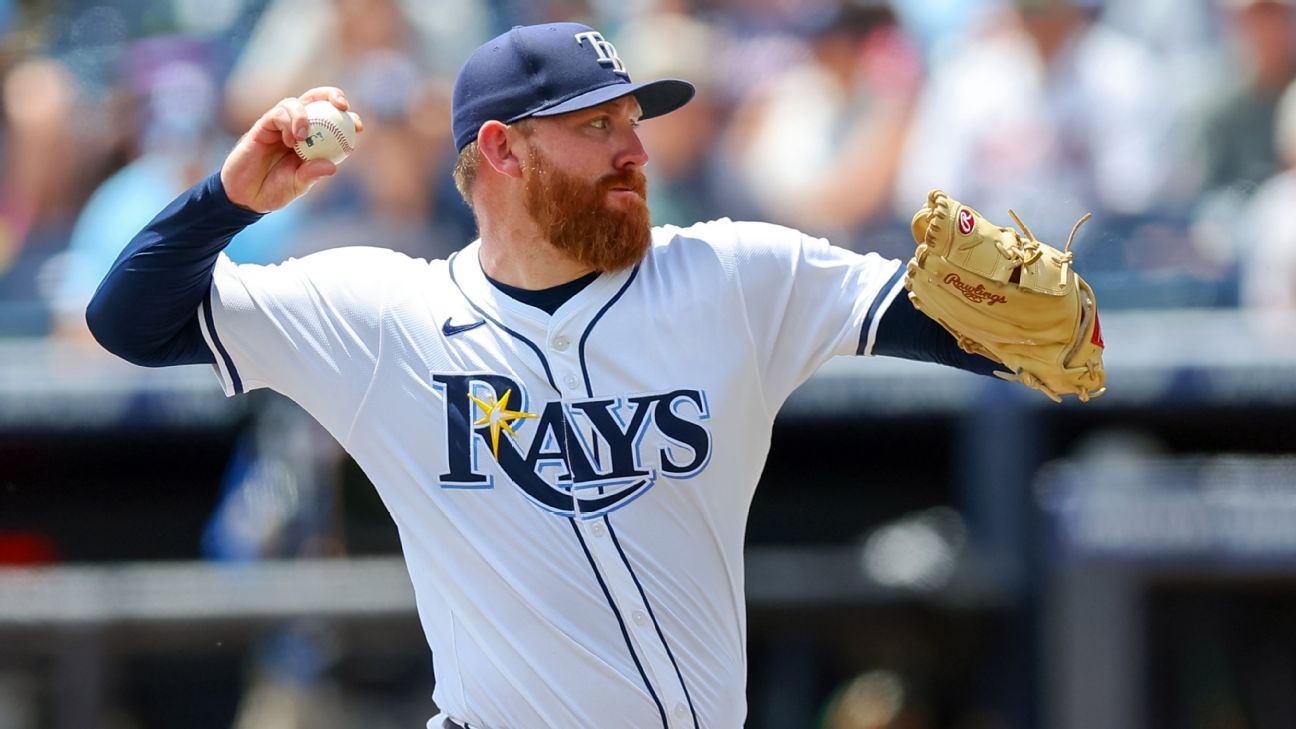
The Rays are good at pitching development, and turning Littell from a waiver-claim reliever to a mid-rotation starter counts as a win for them. However, the Brewers can take him to a level above what the Rays achieved, by realigning him and getting his stuff to play up. It would be a bit of an experiment, but the Crew should explore signing Littell, because he would solve some of their lingering problems with starting pitching depth.