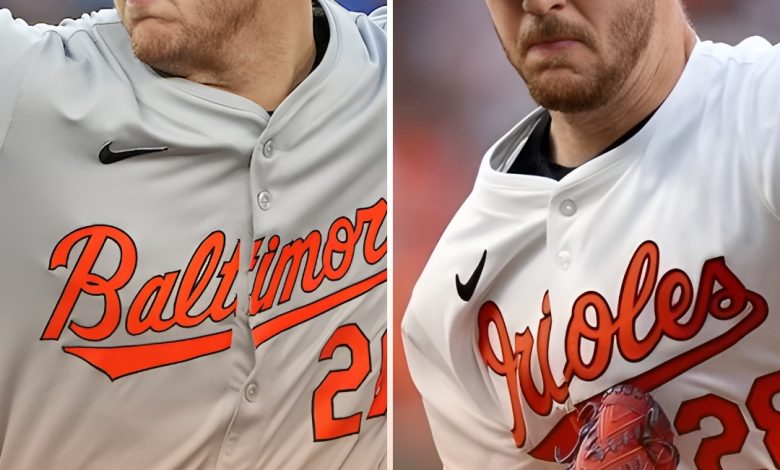
The Orioles acquired a legitimate ace for the 2024 season when they traded for Corbin Burnes. Baltimore did its best to keep Burnes around for 2025 and beyond, but the former free agent eventually signed with the Diamondbacks. Burnes departure left the O’s banking on Zach Eflin and Grayson Rodriguez to lead the rotation last season. That plan did not age well.
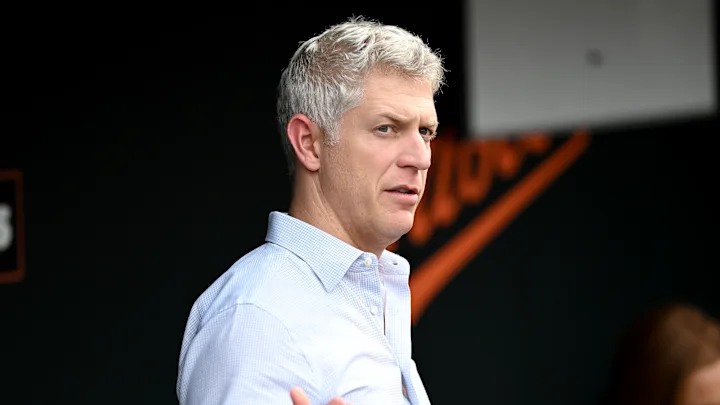
Mike Elias took some flak for failing to replace Burnes, but some of the sharpest criticism came for a move he made to acquire a starting pitcher. Elias sent Kyle Stowers and Connor Norby to Miami at the 2024 trade deadline for a 26-year-old Trevor Rogers.
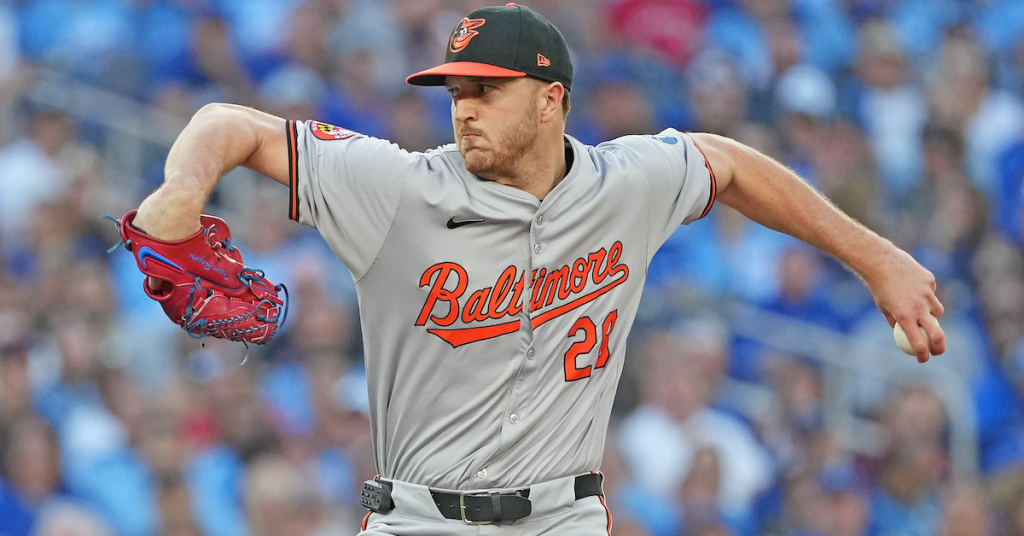
Rogers held a 2-9 record with a 4.53 ERA at the time of the trade, but Elias hoped the former All Star could rediscover the promise he displayed as a rookie in 2021. Stowers—blocked by Heston Kjerstad, Colton Cowser, Cedric Mullins and Anthony Santander—made only 19 appearances for the Orioles in 2024. Norby—blocked by Gunnar Henderson, Jordan Westburg, and an fast-tracked Jackson Holliday—played in nine games for Baltimore.
The Orioles were in “win now” mode without a place for Stowers or Norby. Unfortunately, Rogers failed to help his new club in the short term. The lefty struggled through four starts before being optioned to Triple-A Norfolk.
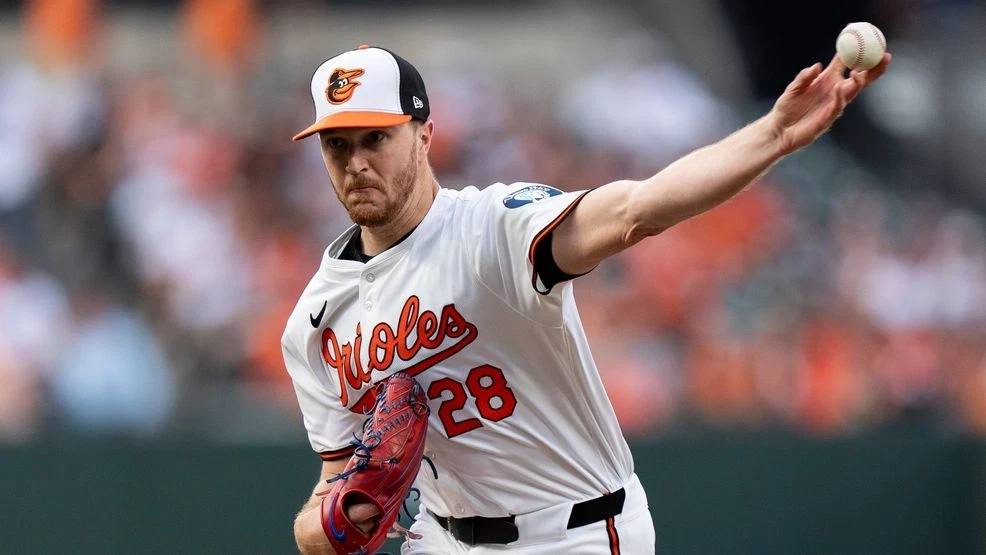
Meanwhile, the Marlins provided Stowers and Norby an opportunity to get the major league at bats they desperately needed. Stowers posted an underwhelming .186/.262/.295 slash line over 50 games, while Norby posted a respectable .247/.315/.445 over 36 contests. The two young players entered 2025 as future pieces for the Marlins, while Rogers quickly became an afterthought in Baltimore.
Rogers began the season on the injured list after suffering a right knee subluxation in the offseason, but Stowers pulled him back into the spotlight before he ever threw a pitch. Stowers started 2025 on an absolute tear, while the Orioles floundered into last place. Corner outfielders Tyler O’Neill and Heston Kjerstad failed to make an impact, and Stowers quickly resembled the type of impact bat the Orioles desperately needed. Elias took plenty of heat on the phone lines and message boards, and the Rogers deal became a symbol of the front office’s recent shortcomings.
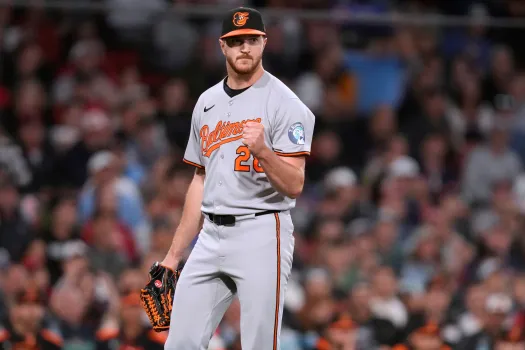
The narrative began to shift when Rogers finally returned to the majors. The Orioles were 16-34 before Rogers delivered 6.1 innings of shutout baseball at Fenway Park. The lefty struggled in his second outing, but he bounced back with eight shutout innings in his first home start of the season. Stowers remained red hot in Florida, but Rogers rattled off a stretch of starts that Birdland had never seen before.
Rogers finished 2025 with a 9-3 record, 1.81 ERA, 0.903 WHIP and 5.5 bWAR in 18 games. He worked deep into games, rarely surrendered an early lead, and posted a 223 ERA+ over 109.2 innings. In a year when the Orioles fired their manager and finally extended a young star, Rogers somehow pitched well enough to make a legitimate case to be named “the story of the year” in Birdland.
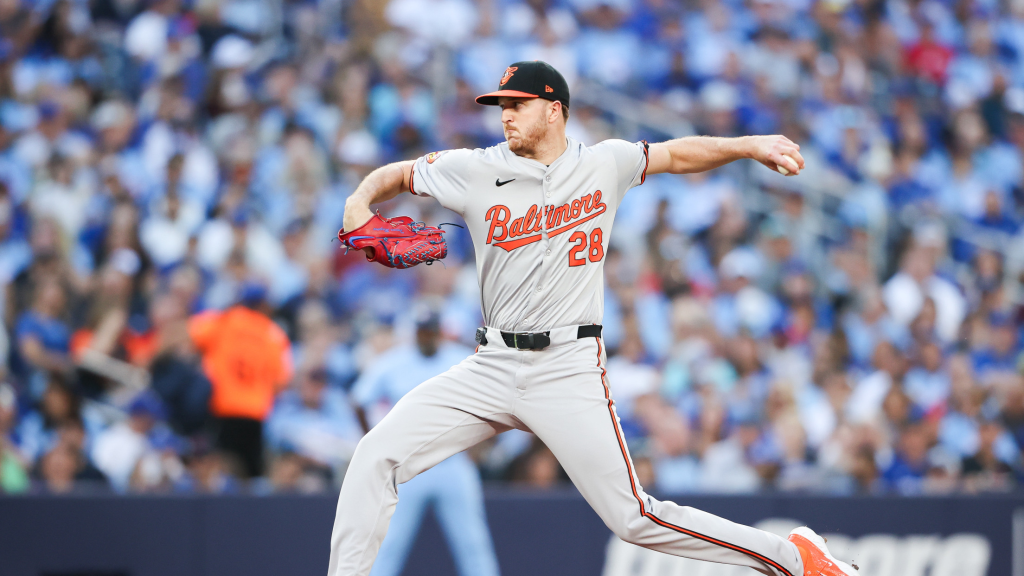
The only blemish on Rogers’ historic season derived from the fact that Baltimore played its way out of contention by Memorial Day. The lefty never had a chance to pitch meaningful games, but the Birds hope he will receive the opportunity next season.
Rogers season seemed to go in phases. Observations began with “where did this come from,” shifted to “how long can he keep this going,” and finally resulted with a case for the Cy Young award. Rogers transitioned from the goat in one of the club’s worst trades to simply the GOAT. Stowers still looked like a guy that got away, but Rogers looked like an extension candidate heading into the offseason.
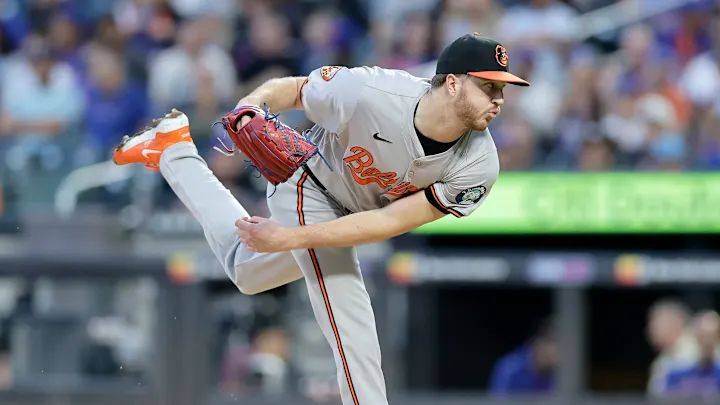
Rogers provided Orioles fans something to cheer about and baseball fans something to marvel at. Rogers stopped short of an official “I’m back” declaration, but he eventually offered an explanation for his career renaissance in Baltimore.
The 28-year-old credited a trip to Driveline after a disappointing 2024. Driveline attributed a dip in velocity to a significant loss of strength. The lefty had shied away from certain workouts in an effort to minimize injuries, but the lack of muscle impacted his ability to put hitters away. A new workout plan generated some momentum and eliminated the temptation to overcompensate in his delivery. An improved fastball made his offspeed pitches more effective.
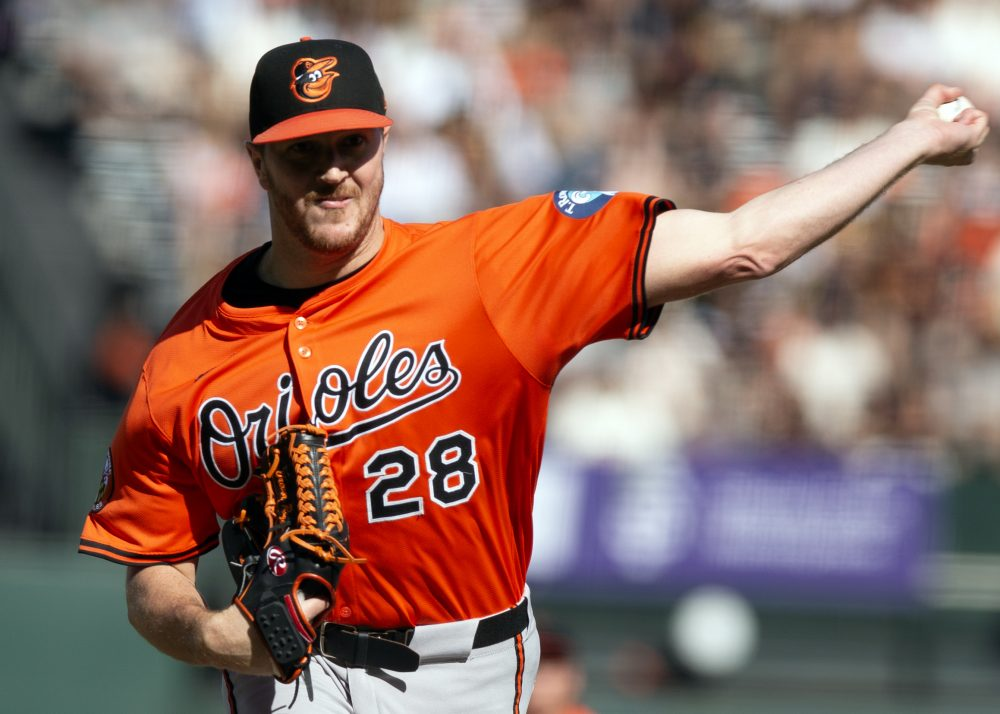
Rogers was eventually joined in the rotation by a healthy Kyle Bradish. Now, the Orioles appear to be one frontline starter away from rolling out a top 3 capable of competing with anyone in the AL East.
The former first-round pick will enter next season as a prime candidate for regression to the mean. However, a change in approach like this can yield real staying power. Rogers probably won’t be able to post a sub-two ERA over 200 innings, but his 2.82 FIP provided credibility to his number last year.
Health is always a factor with starting pitchers, and it remains to be seen whether the increased workouts could eventually cause his body to break down. Rogers will likely work with Driveline and the Orioles to determine the best workout plan to keep his strength up without increasing the risk of injury. Craig Albernaz might want to put some space between Rogers and O’Neill’s lockers in Sarasota.
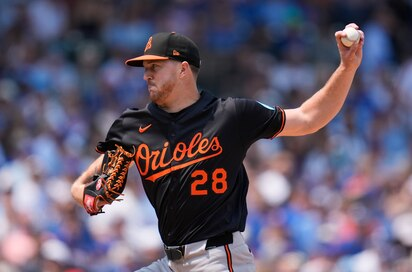
At a minimum, Rogers will enter 2026 with the most confidence since his rookie season. The league will attempt to adapt, and the lefty will look to make an impact for a winning ball club.
The Orioles hope to provide Rogers with that chance. The 2025 team delivered a season that many would gladly forget, but Rogers achieved one of the most memorable seasons by a starting pitcher in franchise history.