Trading Glasnow feels reckless… until you look at the cold reality forcing the Dodgers’ hand.NL

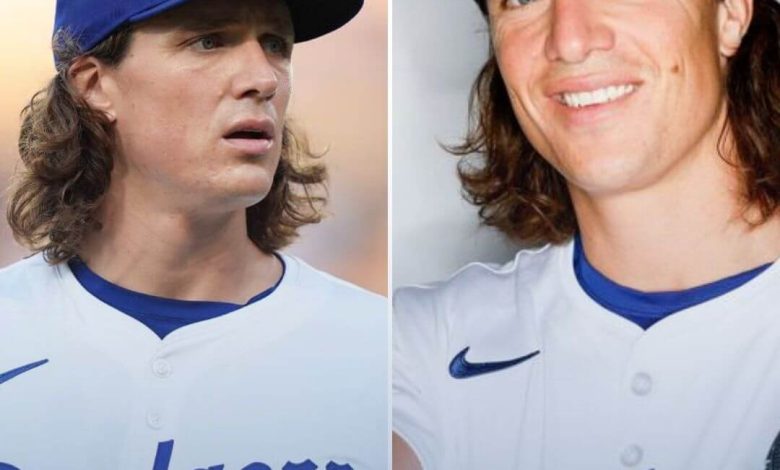
The debate over trading frontline ace Tyler Glasnow is the most significant strategic dilemma facing the World Series-champion Los Angeles Dodgers this offseason. The idea, first floated by anonymous MLB executives, is driven entirely by the Dodgers’ unprecedented starting pitching surplus and their clear, unsolved needs in the bullpen and outfield.
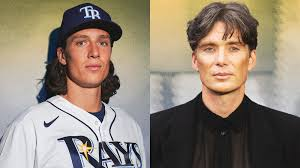
This is a high-stakes balance where trading an elite arm is seen as a way to consolidate and optimize the roster for a potential three-peat, rather than a cost-cutting measure.
The Argument FOR Trading Glasnow (The Optimization Play)
The reasons to trade Glasnow are based on his contract structure, his injury history, and the staggering rotation depth:
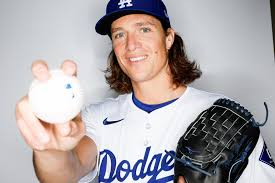
- 1. The Rotation Surplus: The Dodgers have a historically stacked rotation: Shohei Ohtani, Yoshinobu Yamamoto, Blake Snell, Roki Sasaki, and Emmet Sheehan. Glasnow ($30 million salary in 2026, $\text{\$27.3M}$ AAV) is arguably the most expendable high-value piece. Trading him allows the Dodgers to shift from an unsustainable six-man rotation back to a traditional five-man format while still having elite depth in Sheehan and others.
- 2. The Injury Uncertainty: Glasnow, though phenomenal when healthy, has never thrown more than 120 innings in a season and dealt with injury setbacks (shoulder soreness, elbow tendinitis) in 2024 and 2025. Trading him now, while his value is high from his clutch 2025 postseason bullpen appearances, mitigates the risk of a future injury sinking his trade value.
- 3. Addressing “Glaring” Needs: The Dodgers need a reliable, everyday left fielder (following Michael Conforto’s departure) and a shutdown closer (following Tanner Scott’s struggles). Trading Glasnow, with his high salary and star power, could net an elite outfielder like Steven Kwan (Guardians) or a controllable closer, instantly solving two critical roster faults.
The Argument AGAINST Trading Glasnow (The Depth Necessity)
The reasons to keep Glasnow are centered on the inherent volatility of pitching and the high expectations:
- 1. Pitching is Never Deep Enough: The Dodgers know better than anyone that depth is crucial. With Ohtani and Yamamoto heading to the WBC and Snell and Glasnow having a history of injuries, keeping six elite starters is the ultimate insurance policy against a long season.
- 2. October Dominance: Glasnow’s ability to be used both as a starter and a high-leverage bullpen weapon (as he was in the 2025 World Series) is an invaluable luxury in the postseason. Sacrificing that versatility weakens the October blueprint.
- 3. Contract Value: While his salary is high, the contract runs through 2028 (with an option), providing multiple years of control. Giving up a power arm built for postseason glory for anything less than an equivalent, controllable superstar would be poor asset management.
The Verdict
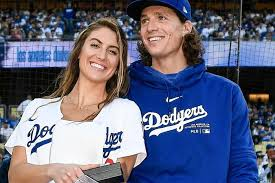
The trade rumors are real, with an anonymous executive calling Glasnow the “sleeper name” to be moved. The consensus is that if the Dodgers can secure a Gold Glove-caliber outfielder (Steven Kwan, etc.) or an elite, controllable closer in return, the trade becomes a justifiable risk.
The Dodgers front office is operating under the theory of surplus value: converting a luxury (a sixth frontline starter) into a necessity (outfield/bullpen help) to maximize their odds for the three-peat.