
This isn’t a fun outcome. But it might be a useful one.

Yes, losing Jorge Polanco stings. Especially after he looked like exactly the kind of bat the Seattle Mariners were begging for when the lineup hit those familiar mid-summer dead zones. And now he’s a Met on a two-year, $40 million deal.
But here’s the part Mariners fans can (quietly) exhale about: this might be the cleanest way Seattle accidentally buys itself flexibility.
Mariners’ Polanco exit could turn into a two-problem fix
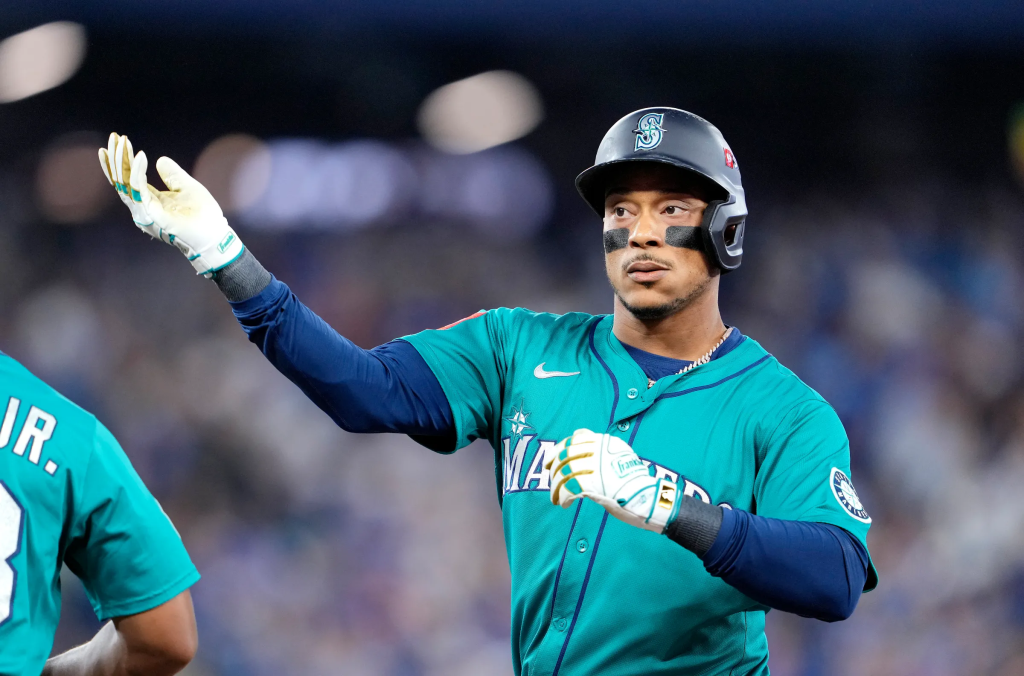
Going into the winter, it felt like keeping Polanco was going to cost real money. It wasn’t hard to talk yourself into a $15M-ish annual number as the line where things got uncomfortable fast. And with FanGraphs’ RosterResource estimating Seattle’s 2026 payroll around $151 million, you don’t need a calculator to see how one more $15M bite starts eating the whole plate.
Now that Polanco’s gone? That same chunk of cash can be redistributed into multiple “this actually makes the roster better” moves, instead of another pricey bet on a player who was always going to have a market.

The obvious example: if the Mariners want a high-contact, on-base, move-him-anywhere type who fits the “raise the floor” mission, Brendan Donovan is right there. Seattle and the Giants have been painted as the front-runners, and it might come down to which offer best matches what St. Louis actually wants back. And the best part is the price tag isn’t even in the same neighborhood — MLB Trade Rumors’ projected arbitration salary for Donovan is $5.4 million. That’s not just affordable. That’s the kind of number that lets you add him and still have room to address the annoying little problems that turn into big ones in July.

Seattle still needs depth, and catcher is on the list. A real backup — not a “we’ll figure it out later” situation. If Andrew Knizner is the rumored answer, fans aren’t exactly throwing a parade. Still, if the Mariners are going to bargain-shop there, they should lean into it: save the money at catcher and push those dollars into one more bullpen arm, because every contender spends six months saying their relief group is fine until it isn’t.

But the silver lining here is simple: the Mariners didn’t just lose a player, they gained options. And in an offseason where Seattle can’t afford many one-way doors, options might be the most valuable thing they can add.