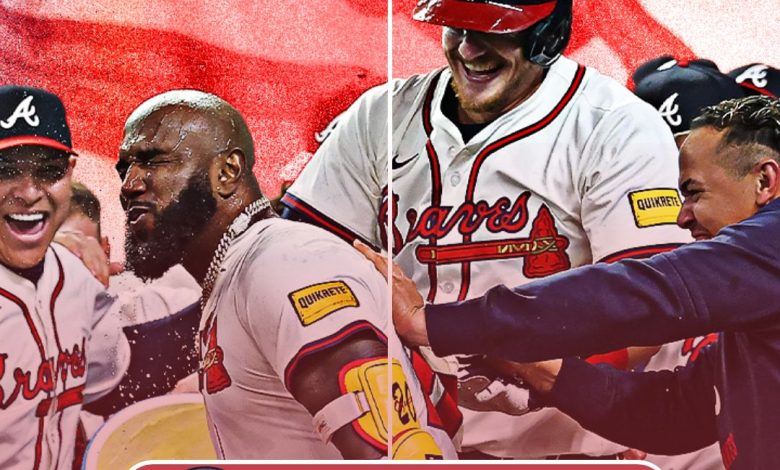
ATLANTA, GA — The 2025 Atlanta Braves season became the cautionary tale no one saw coming. What started with World Series aspirations quickly snowballed into a deeply frustrating year, marked by an unprecedented offensive slump, devastating injuries, and a profound lack of depth that the front office could no longer hide.
The disappointment is heavy, but buried within that failure is a clear, compelling blueprint for fixing everything in 2026. The problems were not random; they were structural, and the solutions are both actionable and logical.
Here is a breakdown of what went wrong and the path to redefine the next era of Braves baseball:
I. The Diagnosis: Where the Cracks Appeared
The 2025 season exposed three critical, interconnected weaknesses:
1. The Shocking Offensive Collapse (The Uncomfortable Truth)
The once-feared, record-setting offense vanished. Key core players experienced a collective decline that was impossible to overcome:
- Star Slumps: Early-season offensive collapses from Matt Olson (slugging below .400), Ozzie Albies, and Michael Harris II (with a significant drop in launch angle) created a power vacuum.
- The Adjustment Problem: Opposing pitchers adjusted their approach (more high fastballs), and the Braves’ hitters, despite a coaching change, struggled to adapt, hitting too many harmless fly balls and ground balls.
- Clutch Failure: The team consistently struggled with Runners In Scoring Position (RISP), ranking near the bottom of the league, turning potential big innings into small ones.
2. The Injury Epidemic (The Shaky Depth)
The front office gambled on internal pitching depth, and the injury bug proved the gamble catastrophic:
- Rotation Annihilation: At one point, the Braves were without all five of their projected opening-day starters. Key arms like Spencer Strider and Reynaldo López missed significant time, forcing the team to rely on call-ups with little MLB experience.
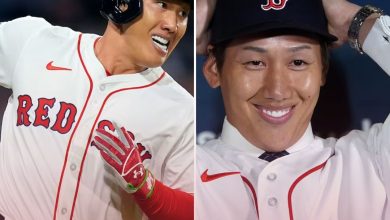
- The Hole at Catcher & SS: Injuries to Sean Murphy (hip) and the inability to solidify the shortstop position (especially after the departure of Ha-Seong Kim and the suspension of Jurickson Profar) exposed a brittle defensive spine.
3. Leadership and Chemistry (The Emotional Toll)
The departures of emotional leaders like Dansby Swanson and Max Fried may have created a leadership void that was exposed when adversity hit. The team lacked the veteran anchor needed to navigate the long, tough losing streaks that plagued the first half of the season.
II. The Blueprint: Fixing Everything in 2026
The solutions for Alex Anthopoulos are now surprisingly clear, focusing on proven depth and maximizing the health of the existing core:
1. Acquire A Definitive Middle-Infield Answer (Shortstop)
- Actionable Move: Shortstop remains the most glaring need. Whether it is re-signing Ha-Seong Kim or making a major trade (potentially using a contract like Ozzie Albies’ to acquire a high-end option like Bo Bichette), the Braves need defensive stability and a reliable bat at the position.
- Impact: This move settles the defense and prevents the constant shuffling that led to instability.
2. Reinforce Pitching Depth with Durable Veterans
- Actionable Move: The team must shift its strategy from relying solely on high-velocity, high-risk young arms to acquiring mid-rotation durability. Target free-agent starters like Ranger Suárez or Michael King—pitchers who can eat innings and remain healthy.
- Impact: Provides a necessary floor for the rotation, ensuring that the team can withstand the inevitable injuries to high-octane arms like Strider and López.
3. Sign a Power-Hitting, Versatile Outfielder/DH
- Actionable Move: With Marcell Ozuna likely gone, the Braves need to add a left-handed power bat with defensive flexibility. Targets like Cody Bellinger (ideal fit for versatility and left-handed power) or a veteran DH would be perfect.
- Impact: Takes pressure off a returning Ronald Acuña Jr. and ensures the lineup doesn’t crater if Olson, Riley, or Harris face another collective slump.
The excitement comes from knowing the core—Acuña, Olson, Riley, Albies, Harris—is still historically talented. By addressing the structural weaknesses of depth and stability, the Braves can easily transition from a cautionary tale back into a relentless contender in 2026.