Garth Brooks Reveals the Real Reason Stadium Shows Changed His Entire Perspective on Music. ML

Key Points
- Garth Brooks says stadium tours permanently changed his approach to live performance.
- Memorable LSU concert drew seismic crowd reactions, including thousands singing outside the stadium.
- Trisha Yearwood’s show entrances elevate stadium energy to “a whole new level,” according to Brooks.
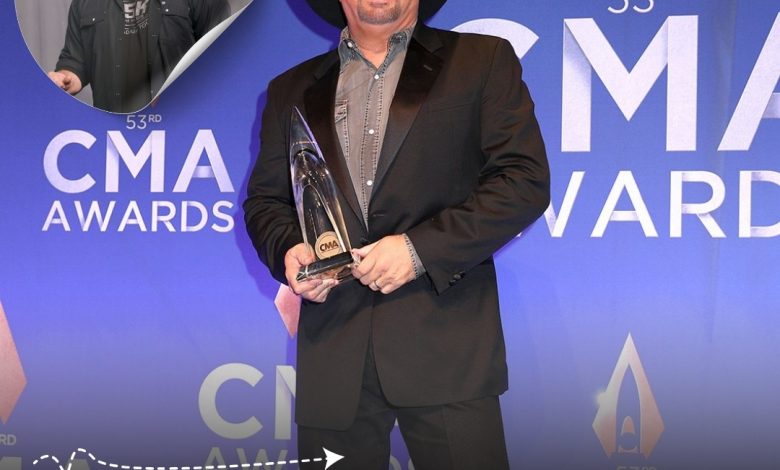
Garth Brooks’ latest TalkShopLive appearance promoting The Anthology, Part VI: The Comeback, The Next Five Years included one of the most striking reflections he’s offered about his live career. While discussing how stadium touring reshaped his relationship with performing, Brooks revealed the moment that changed everything for him.
It happened the first time he stepped into a stadium as a headliner.
“Once you step into a stadium, you can’t go back to arenas. You can’t do them,” he said.

Brooks explained that each type of venue carries a different emotional weight—and that stadiums unlocked something powerful that permanently altered the way he performs.
RELATED: Country Music Icon Garth Brooks Drops Big Career Admission: ‘This Wraps It Up’
‘You bring your sword and your flag’
Brooks’ description of stadium energy was vivid and unmistakably dramatic.
“What a stadium brings is you paint your face, you bring your sword and your flag and you fight for your freedom,” he said.
By contrast, he described arenas with a completely different metaphor:
“You go into an arena… it’s like putting dynamite inside a jar.”
Both environments shape the music differently, he said, but only one truly changed him as an artist.
RELATED: Garth Brooks Announces Long-Awaited Return After Nearly 30 Years
The Mystery Sound at LSU
Brooks also recalled one of his most memorable stadium moments—his massive show at Louisiana State University in Baton Rouge, Louisiana, in May 2022.
At the time, he didn’t realize how overwhelming the experience would become. Before the concert, he learned LSU Stadium had sold out in record speed.
“They sold out LSU Stadium in under an hour,” he said. “A hundred and something thousand people.”
During the performance, something unusual happened.
“I kept hearing some kind of distant echo… after every song,” he said.
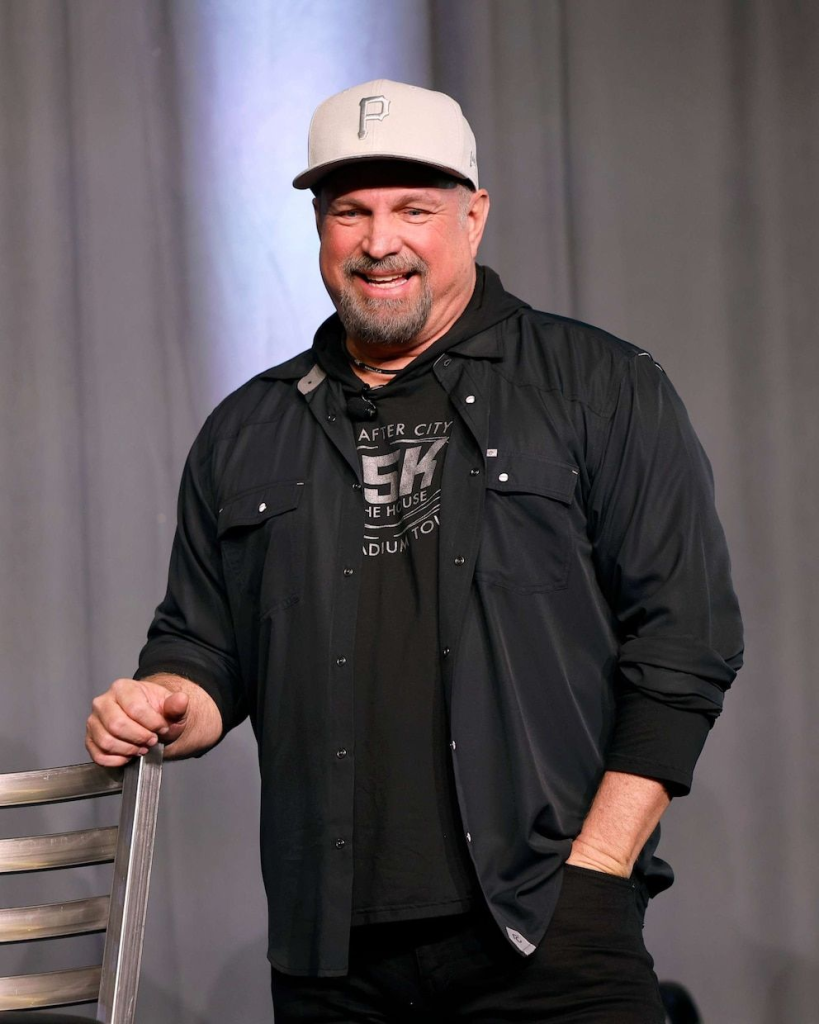
But no one else heard it. Eventually, the promoter explained what it was.
“There were thousands of people outside the stadium… That just came there to tailgate. That’s who were singing.”
RELATED: Country Music Legend Garth Brooks Shares Breaking News for Summer 2026
Brooks said the moment only grew more surreal as he realized just how much physical force the crowd generated that night. The reaction to “Callin’ Baton Rouge” became so intense that it registered as seismic activity.
“I don’t want to give away the story,” he said, “I can just tell you that the ‘Garthquake’ lasted almost three minutes.”
For Brooks, it remains one of the most powerful examples of how stadium shows differ from arenas—a living, breathing wave of sound and energy that can literally shake the ground beneath him.
Wife Trisha Yearwood Takes it ‘To a Whole New Level’
Another transformative moment in performing live came from the person Brooks shares the stage and life with: Trisha Yearwood, a country superstar in her own right whom Brooks married in 2005. He described how her mid-show entrance electrifies an entire stadium.
“Ms. Yearwood would enter the stadium shows in the middle of the show, like a boxer coming out of the corner. And the crowd would just go crazy. She’s about to unleash that voice on an entire stadium and they’re going to adore, love and get louder for someone who just walked on stage than the guy sweating his a– off that had been out there 90 minutes,” said Brooks with a laugh.
He continued, “As an entertainer, you know it’s coming. The crowd doesn’t. So when you start the song, they recognize it already. And they’re starting to look for her. It just goes to a whole. New. Level.”
Brooks said The Anthology, Part VI captures the years when all of these moments—stadium crowds, arena contrasts, unexpected echoes, and Yearwood’s show-stopping entrances—reshaped his live identity.
“You capture… whatever that is—it does to us on audio,” he said. “That’s where the rubber hits the road.”
For Brooks, the shift wasn’t just about size or scale—it was about emotional force.
And once it happened, he said simply: “You can’t go back.”