Farm Aid Grants Are Becoming a Lifeline for Family Farmers Fighting to Stay on Their Land.ML


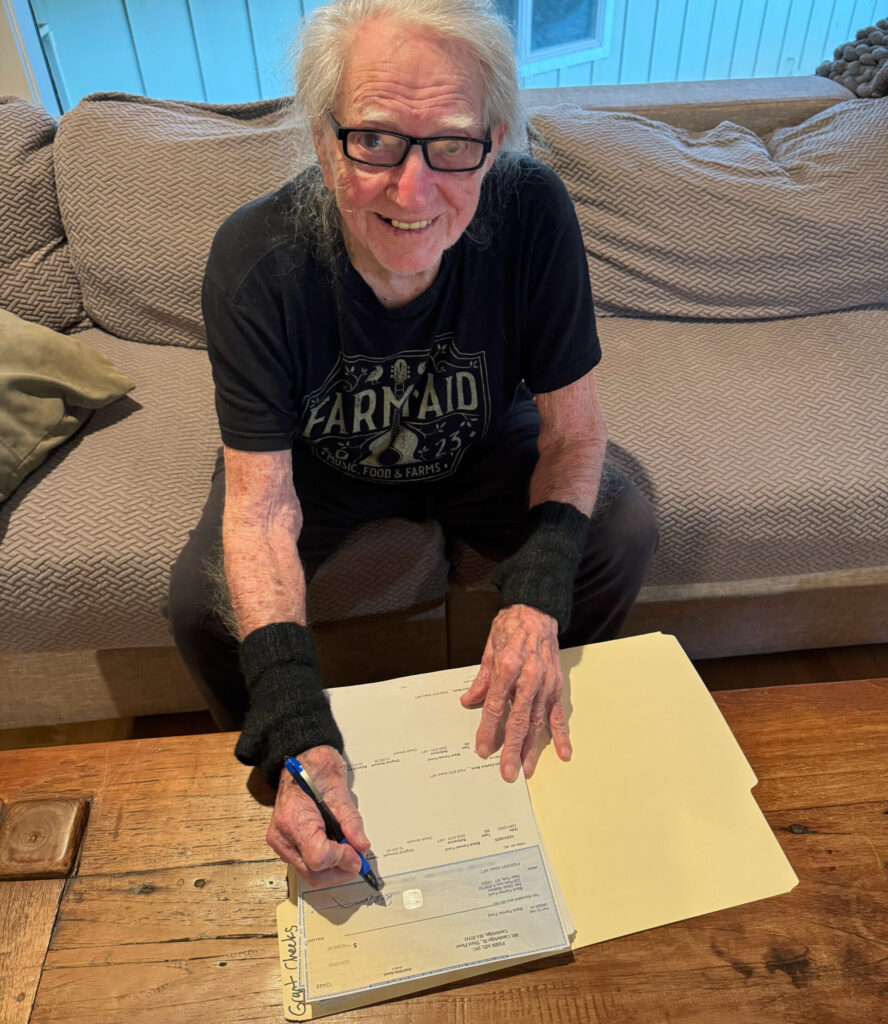
Farm Aid President Willie Nelson signing 2025 grant checks
Included in Farm Aid’s work to build a thriving family farm-centered system of agriculture is the Farm Aid grant program, which funds organizations serving family farms. Our grantees around the country are critical partners in the movement to keep family farmers on the land, producing good food for all.
In 2025, Farm Aid granted more than $1.3 million!
This month, Farm Aid distributed End of Year grants totaling $1,146,000 to 106 family farm, rural response and urban agriculture organizations. Earlier in the year, Farm Aid distributed more than $190,000 through other grantmaking programs, bringing the organization’s grantmaking total to more than $1,336,000 for the year.
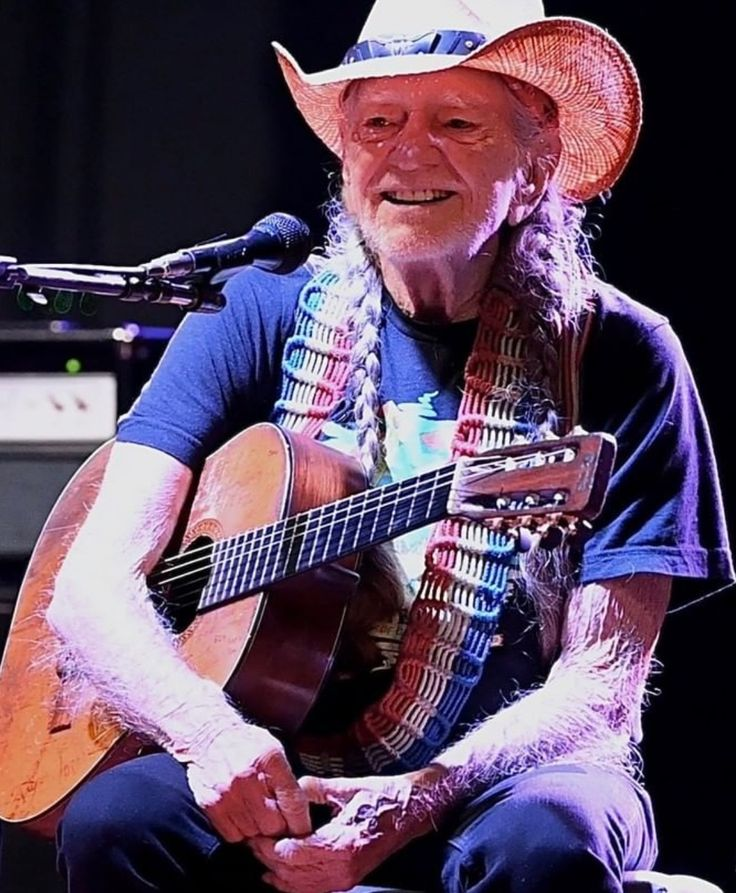
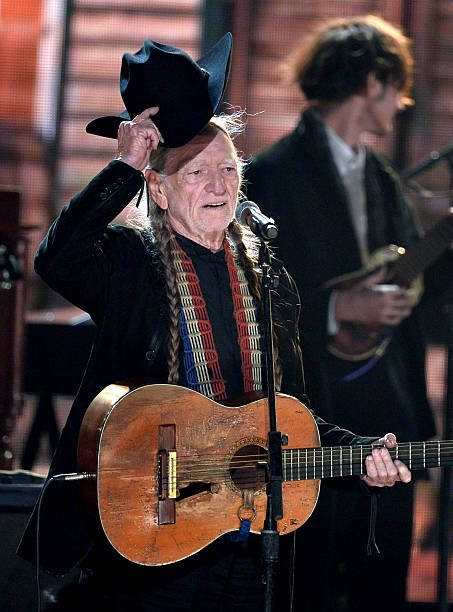
“These organizations are the heart of the farm movement, with farmers at the center of their work and leadership. We are so proud and lucky to stand with them,” said Farm Aid president and founder, Willie Nelson. “Like Farm Aid, many of these folks have been working since the 1980s, and they continue to be crucial sources of strength for farmers and rural communities. This is especially important as farmers once again face trying times.”
These grant programs include:
- More than $60,000 in emergency and disaster grants to individual farmers with the assistance of Farm Aid’s Hotline team members.
- $26,500 in disaster grants to organizations providing direct support to farmers in response to climate disasters, such as those that provided vital relief to farmers in the Southeast devastated by hurricane Helene in late 2024.
- $40,000 in strategic grants to NOFA VT for grassroots efforts to secure emergency relief for farmers impacted by extreme weather events; Liberation Farm to support their advocacy, education and community building to address Black farmland equity, food sovereignty and liberation; Washington Young Farmers Coalition to expand its AgCare Fund, which provides direct aid to farmers and farmworkers to support mental health care; and CCOF to support expansion of the Hardship Assistance Fund beyond California, providing financial assistance to farmers experiencing financial loss due to extreme hardship.
- More than $40,000 in farmer leadership grants for the development of leadership skills among farmers and farmer advocates and the elevation of their voices in decision-making circles.
- More than $20,000 in scholarship funds to support university students majoring in agriculture and related fields.
Growing the Good Food Movement
Creating and implementing innovative programs that build local and regional food systems and connect farmers directly to consumers.
20 organizations; total funding: $194,000
The Appalachian Center for Economic Networks (ACEnet), Athens, OH: $10,000 to work collaboratively with other Central Appalachia partners to build a fair food system in which beginning and established farmers, many traditionally marginalized in remote rural communities of Appalachia, can prosper through the equitable access of capital and business resources.
CitySeed, New Haven, CT: $10,000 to provide all New Haven residents with access to fresh, local food and to build economic opportunity in the food system.
Dream of Wild Health, Minneapolis, MN: $10,000 to create culturally-based opportunities for youth employment, entrepreneurship and leadership; increase access to Indigenous foods through farm production, sales and distribution; and engage community members through outreach around reclaiming cultural traditions, healthy Indigenous food, cooking skills and policy and systems change.
Dreaming Out Loud, Washington, DC: $10,000 to support their Urban Farms and food hub operations along with the DREAM Black Food Fund Initiative, with the goal to serve as a conduit for the creation of an integrated pipeline of revenue generating farms and employment opportunities.
Families Anchored in Total Harmony, Inc. (FAITH), Gary, IN: $8.000 to support urban youth in grades 6-12 to become the next generation of BIPOC farmers by providing agricultural training and development, and pathway towards building strong, self-sufficient communities.
Farm Fresh Rhode Island (FFRI), Providence, RI: $10,000 to build a strong and resilient local food system that values the environment, health and quality of life for the farmers and eaters in New England.
Green Village Initiative (GVI), Bridgeport, CT: $9,000 to support work at grassroots and state-wide levels to grow food, knowledge, leadership and community to create a more just food system.
Grow Pittsburgh, Pittsburgh, PA: $10,000 to address inequities in Allegheny County by supporting sustainable urban agriculture and fresh food distribution with an emphasis on the food-insecure communities of Braddock, Homewood and Wilkinsburg by providing the tools, resources and knowledge for people of all ages to grow their own food.
GrowNYC, New York, NY: $8,000 to provide access to healthy, fresh, locally grown food for all New Yorkers and support family farms in the Northeast and to provide training and technical assistance in both English and Spanish to GrowNYC Greenmarket and Wholesale farmers in the region.
MFU Bottleneck Project, Wabasso, MN: $10,000 to build a strong, community-based alternative to corporate consolidation in meatpacking through supporting local ownership and policy advocacy.
Northwest Indiana Food Council, Northwest Indiana: $10,000 for efforts to weave networks, develop programming and advocate for a more just food system that equally values farmers, food producers and honors the right to food for the most vulnerable community members.
People’s Cooperative Market, Bloomington, IN: $9,000 for investment in a cooperative curated by BIPOC and underserved farmers and vendors to produce and aggregate organic, nutrient dense culturally relevant food for distribution into oppressed communities.
Mino Bimaadiziiwin Tribal Farm (Red Cliff Band of Lake Superior Chippewa), Bayfield, WI: $10,000 to build a more resilient food system and advance the food sovereignty goals of the Red Cliff Band and Tribal producers through increased access to nutritious and traditional foods, targeted youth programming, technical support and outreach for producers, and stewardship of the land for the next seven generations.
Red Tomato, Providence, RI: $10,000 for efforts to identify marketplace barriers, innovate collaborative supply chain solutions and leverage brand and marketing collaborations so that eaters can act in support of independent growers in their region.
Soul Food Project, Indianapolis, IN: $10,000 to build a just and equitable food system in the community through urban farms, a youth employment program (Seeds to Leader) and an adult apprenticeship program (Roots to Leaders).