Ben Johnson’s latest analytics grade among NFL play-callers raised eyebrows across the league. DH

Though we can all generally agree the Chicago Bears are a work in progress, it feels inarguable that the team has taken a big step forward in 2025 under new head coach Ben Johnson compared to where they’ve been the last half-decade, especially on the offensive side of the ball.
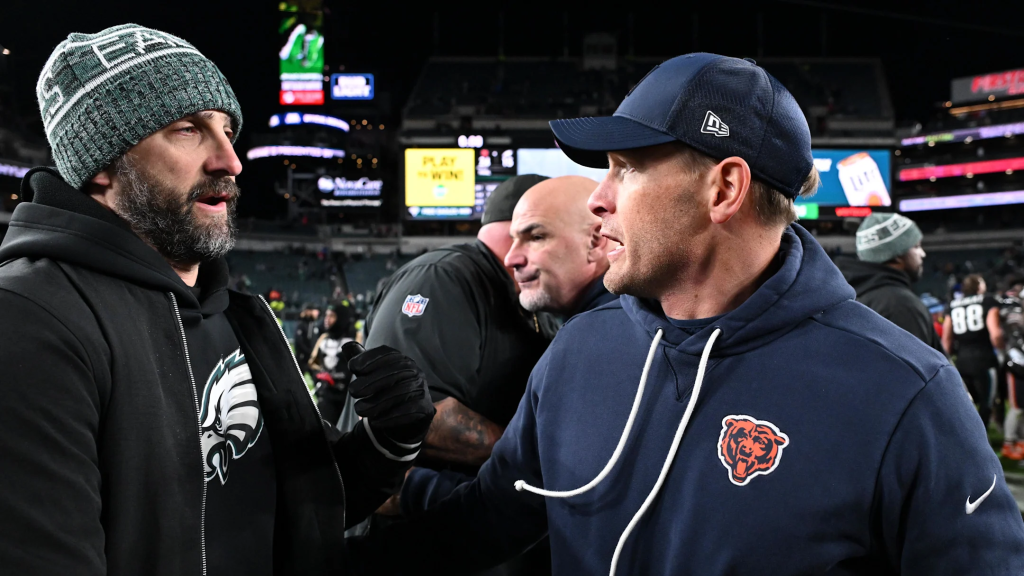
As of now, the Bears offense ranks behind only the Los Angeles Rams in total explosive plays, thanks largely to a brusing run game, and have proved they can score enough to keep pace with the likes of the Green Bay Packers.
But one analyst’s statistics aren’t showing Johnson much love at all.
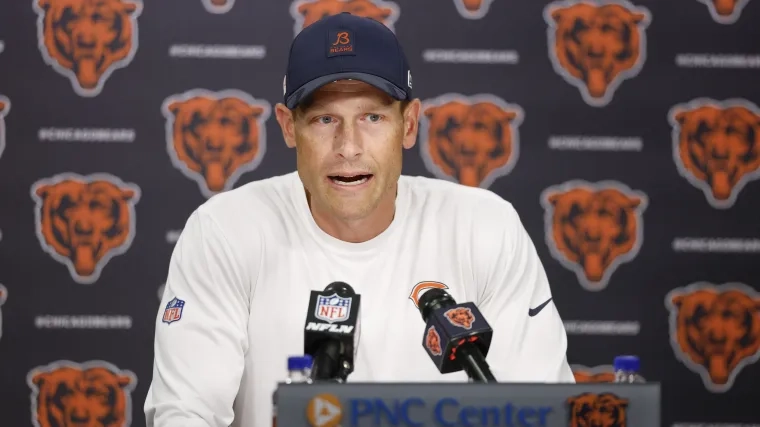
Steven Patton, a sports data scientist who frequently churns out thought-provoking graphics illustrating the latest in NFL advanced stat trends, ranks the Bears all the way down at 30th among 32 NFL teams in his play-caller rankings through Week 14.
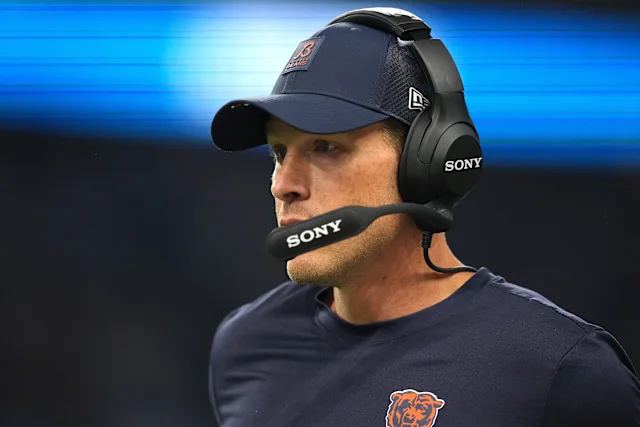
The Bears offensive play-calling, helmed by Johnson, ranks just 28th in the NFL, which is objectively an appallingly low ranking for anyone who’s watched this team in 2025.
Before we grab the pitchforks, though, let’s look into what Patton is actually measuring here. It’s not what you might think.
As Patton addresses in his tweet thread, Johnson’s low ranking doesn’t actually have much to do with the results of his play-calling, which have been good. In fact, his metrics show Johnson’s offense ranks in the 88th percentile in points scored over market expectation and is among the league’s most efficient offenses on scripted and non-scripted drives.
What his models don’t like about Johnson are more complicated.
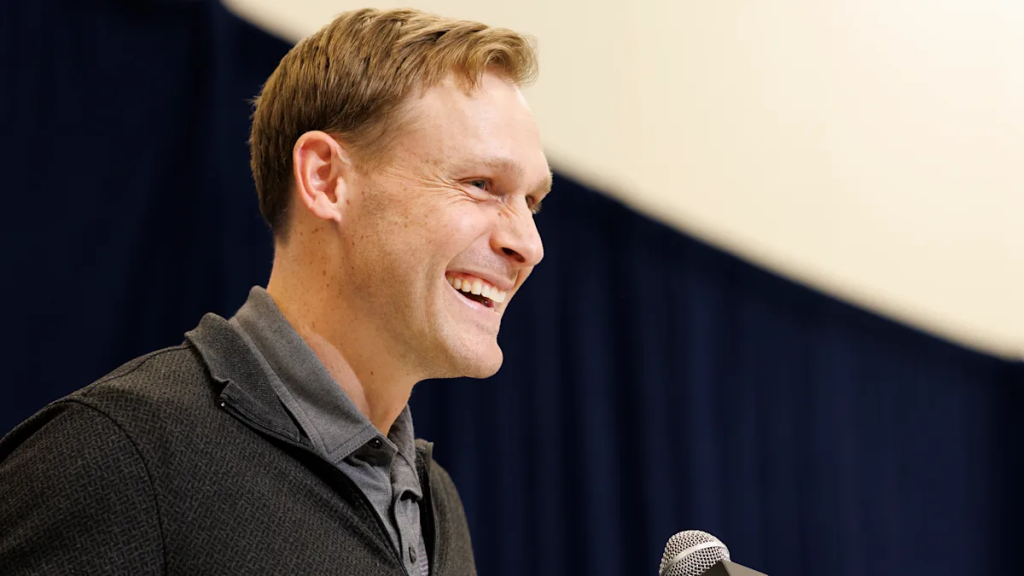
For one thing, it doesn’t love his personnel usage, labeling the Bears as one of the league’s less-imaginative teams when it comes to diversifying their personnel. Based on tracking from SumerSports, this isn’t crazy: the Bears basically only use “11” and “12” personnel, though that’s true of a lot of teams.
Then, Johnson gets dinged for not passing the ball as much as models suggest he should, leaning on the rushing attack of D’Andre Swift and Kyle Monangai as the backbone of the offense.
Put it together with a high amount of offensive roster investment via cap spanding and draft capital allocation, and you have an offense Patton’s model suggests is underperforming for the talent it has and how much more they could air it out.
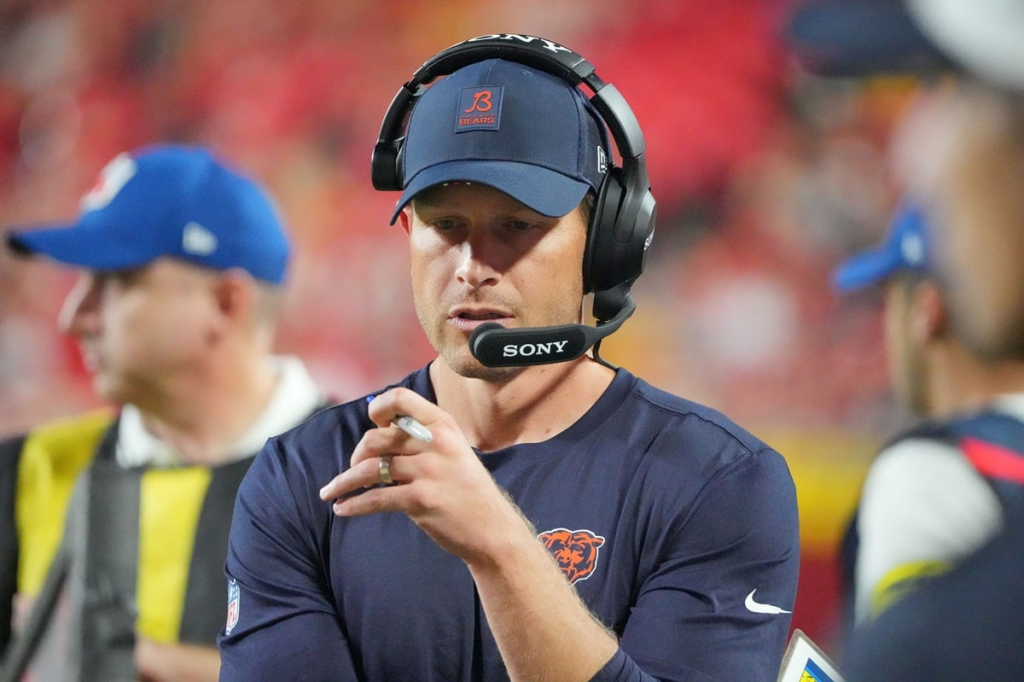
The key to remember here: just because the theoretical version of Chicago’s offense suggests Johnson’s not taking full advantage of his squad doesn’t mean that’s completely true. For example, it doesn’t account for this being Johnson’s first year running the show or Caleb Williams’ second in the league while learning said new offense. There are understandable warts involved, and the results suggest Johnson is more than pulling his weight so far as a play-caller, even if we don’t agree with every decision.
Bottom line: yeah, the Bears offense can be better. No kidding. And it will be. But whatever this particular model says about the Bears not reaching their full potential, which they haven’t, it’s not the end of the world for Johnson and his offense.