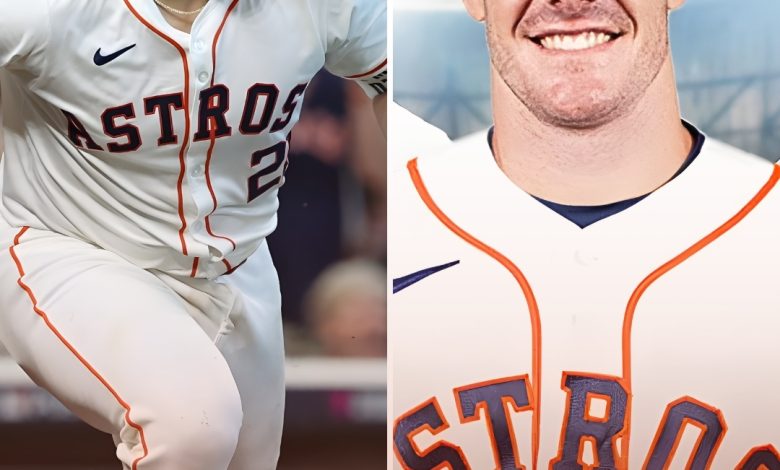
When Astros stars become too valuable and no contract extensions are made, chances are they are on their way out before unrestricted free agency hits
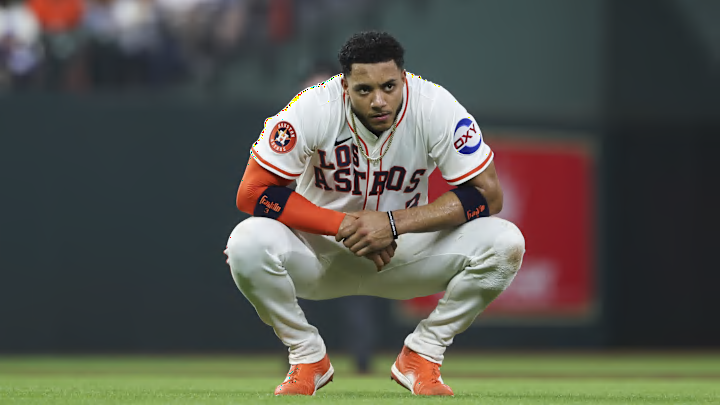
It happened with Kyle Tucker. It happened with Alex Bregman.
It happened with Gerrit Cole.
It will happen to Jeremy Pena.
Since Jim Crane bought the Astros organization, he has been one of the most long-term cost-effective owners in the MLB, who has still remained competitive.
Usually, teams that follow a cost-effective approach in a league with no salary cap don’t end up successful for the long haul.
Cost-effective team examples include the Pittsburgh Pirates, Tampa Bay Rays, and the Athletics. In recent memory, these teams have become successful and even some of the best teams in the league.
The Art of Moneyball
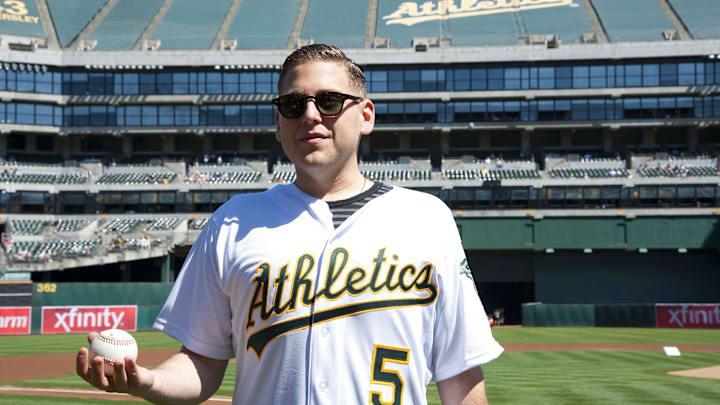
Coined the term, “Moneyball,” from the infamous 2001 Oakland A’s and a popular movie released in 2011, the A’s and Rays have used this type of practice to win ballgames in recent memory.
“Moneyball” is an economic tactic that relies solely on analytics and sabermetric stats to find undervalued ballplayers and win ballgames.
Flashy traditional stats from a player do not matter in this case.
This focuses on who hits better in certain counts and who gets on base more.
Overall, Moneyball has been a successful tactic to use for teams, with one glaring downside: Signing players to long-term deals, thereby increasing payroll significantly.
If there are players on a team who become too elite, these “Moneyball” teams either let them walk or trade the star to another team for younger assets in the hopes to avoid paying them.
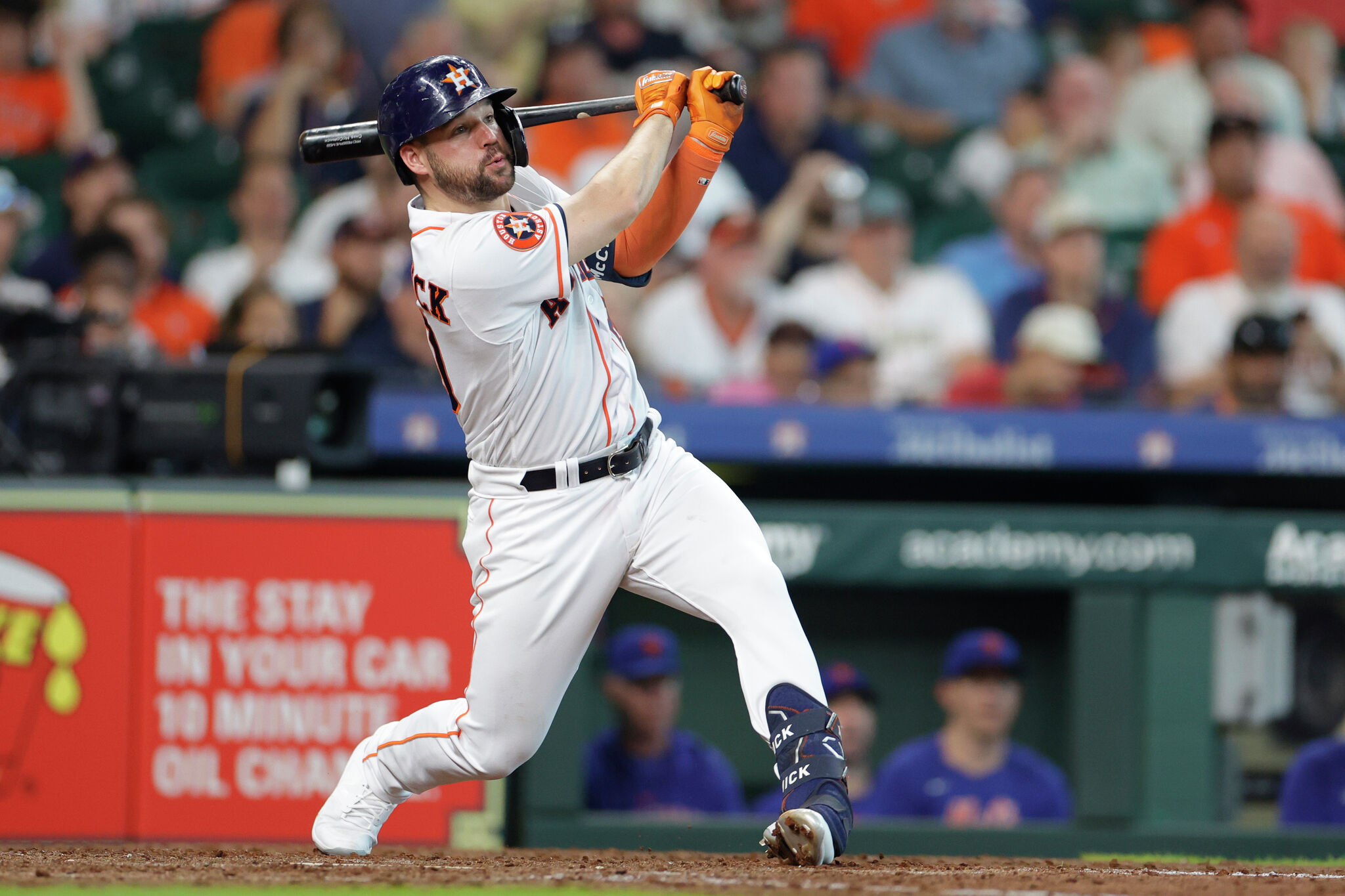
The better a player gets, the more attractive they become to opposing teams who are willing to pay them long term deals
How The Astros Used Moneyball
For the Houston Astros, the organization has adopted a more “hybrid” version of Moneyball, called “Astroball,” according to author Ben Reiter.
This consists of a mix between sabermetrics and offering short -term, large contracts to homegrown All-Stars, along with signing free agents likely less than six years.
This tactic is done so that in the event the signed player struggles or gets injured throughout the deal, it’s not entirely a wasted investment.

The downside is letting fan-favorite players go in free agency or via trade.
Examples of fan favorites departing the team for that reason include Tucker, Bregman, Cole, George Springer, and likely Framber Valdez this offseason.
Carlos Correa was in this category, but he came back to the Astros in a lopsided trade a few years later.
Crane made the right move, not signing the 31-year-old back in the 2021 offseason to a long-term deal.
While that decision was initially unpopular among the Astros’ faithful, Crane has since earned the credibility to show that these moves tend to benefit the organization in the long run.
When Correa left for Minnesota, the Astros secured their second World Series Championship in six years.
This trend is very likely to continue, because next on the chopping block is Jeremy Pena.
A Beloved Astro
Pena is one of the most beloved Astros on the team.
A 27-year-old shortstop who just came off a career year, batting .304 with an .840 OPS in 125 games with 17 homers.
Earning his first All-Star nod, Pena is arguably a top-five shortstop in the big leagues.
Recently got engaged to his girlfriend as well, the Astros All-Star shortstop is on cloud nine, on and off the field.
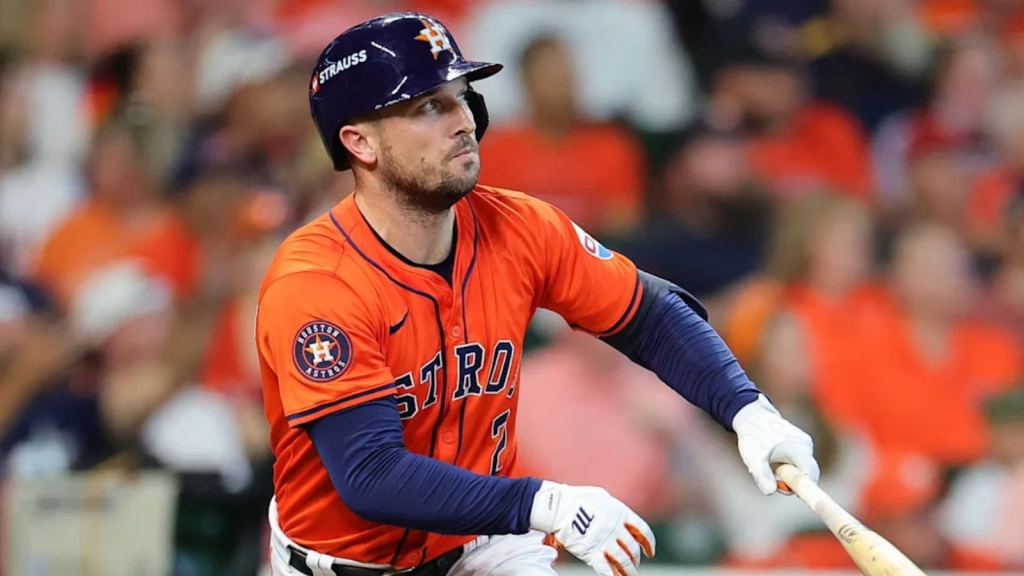
However, talks of a contract extension have been dormant over the last year.
Pena’s current deal of $1.4 million through one year has two more years of team control through 2027.
Extension talks were in effect last year of a team-friendly $100 million through likely five years, but fell short, as the 27-year-old turned it down and then, as if things couldn’t get any worse, switched agencies to Scott Boras.
Boras has been notorious for poaching away former Astros to teams that offer top dollar.
The players mentioned above are mostly represented by him, with the exception of Springer, Tucker, and Valdez.
“We Aren’t Trading Pena,” Okay.
During the Winter Meetings, general manager Dana Brown made it clear that he will not be trading Pena anytime soon, but don’t take his word to heart.
His trade remark history hasn’t aged well, as he mentioned in the past he wouldn’t be trading All-Star outfielder Kyle Tucker in 2023, only for Tucker to be later traded to the northside of Chicago one year later.
The Houston Astros are financially meticulous when it comes to signing players long-term.
Viable contributing ballplayers in Altuve, Christian Walker, Carlos Correa, Josh Hader, and Yordan Alvarez are the only pieces signed to multi-year deals.
Alvarez, who will be 29 next season, is no doubt a $350 million guy.
Signed to his extension of just $115 million for six years back in 2022, the Astros found themselves very lucky locking up their slugger at the right time for a discount.
It’s unfortunate this treatment very likely won’t be the same for Pena.
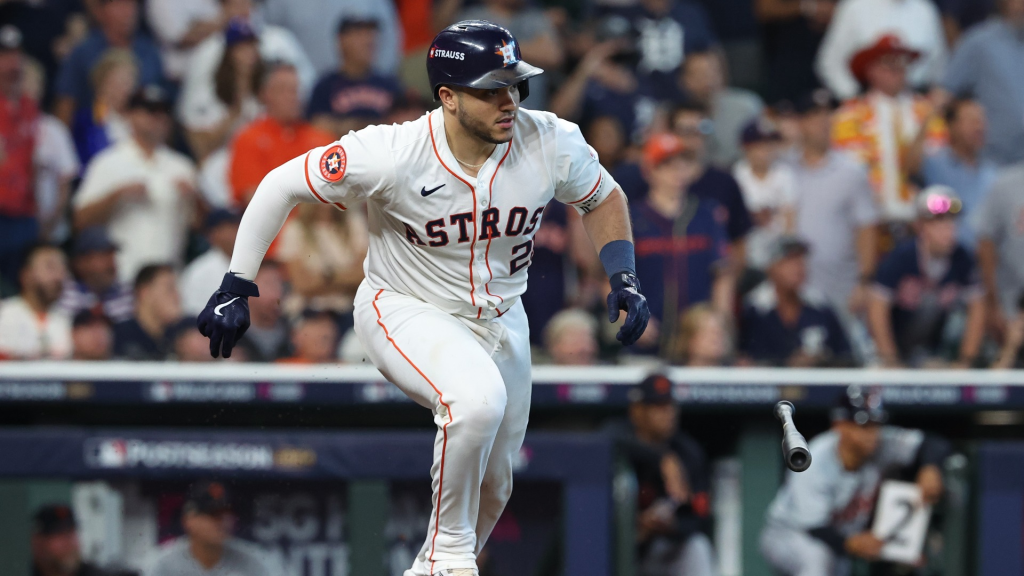
Peña’s career trajectory, accolades, a near 5-tool asset, and market leverage translate to a long-term deal, especially given his representation.
Given their history, the Astros are unlikely to replicate the Alvarez scenario with Peña.
It wouldn’t be the least bit surprising if Brown trades their starting shortstop next year just like he did with Tucker.
Unless Houston dramatically alters their spending philosophy, Peña may eventually become another example of a homegrown star priced out of the organization rather than a long term cornerstone retained at a discount.