As Pitcher Evaluation Evolves, the Brewers’ Entire Offseason Strategy Could Be Turned on Its Head .MH

Because I’m a proud Zoomer and enjoy doomscrolling, I spend a good amount of time on the “For You” section of my Twitter feed. It’s primarily AI shilling and rabid opinions on sports, but like a bag of jelly beans, every so often, something good shows up in the middle of the gooey multi-colored mess. Recently, it was this tweet by Eno Sarris, a writer for The Athletic:
Of course, as a casual fan, this came as something of a surprise. I knew that ERA was far from the only number needed to tell the story of a pitcher’s performance, but the idea of disregarding it completely was foreign to me. Describing it as the “batting average of pitching” seemed like a step too far, but this offseason, I’ve noticed more evidence to back up Sarris’s claims.
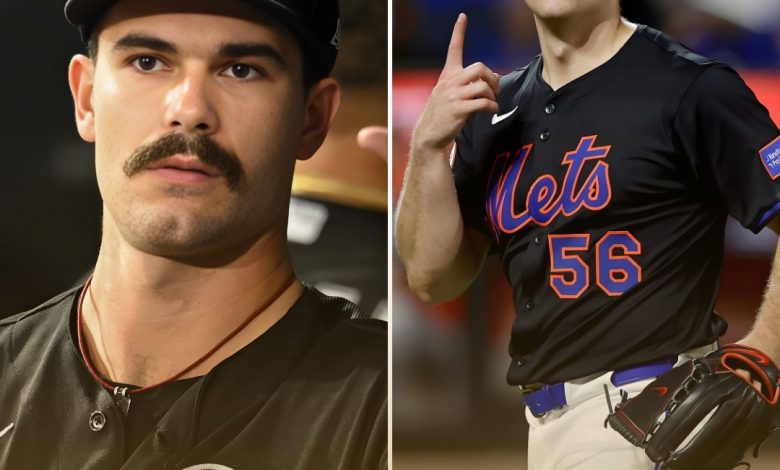
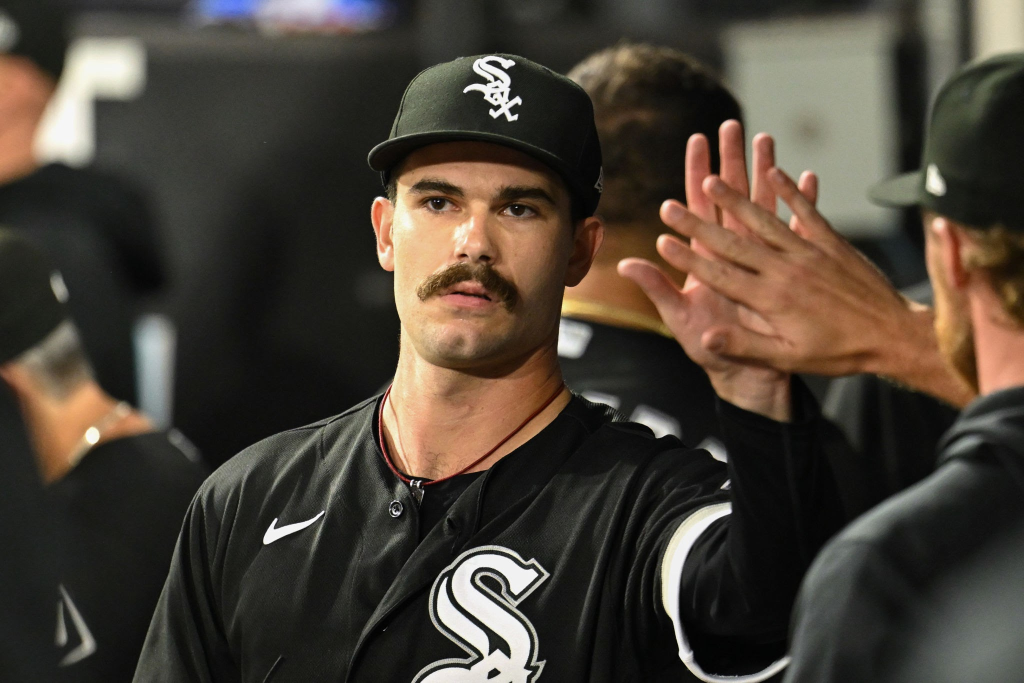
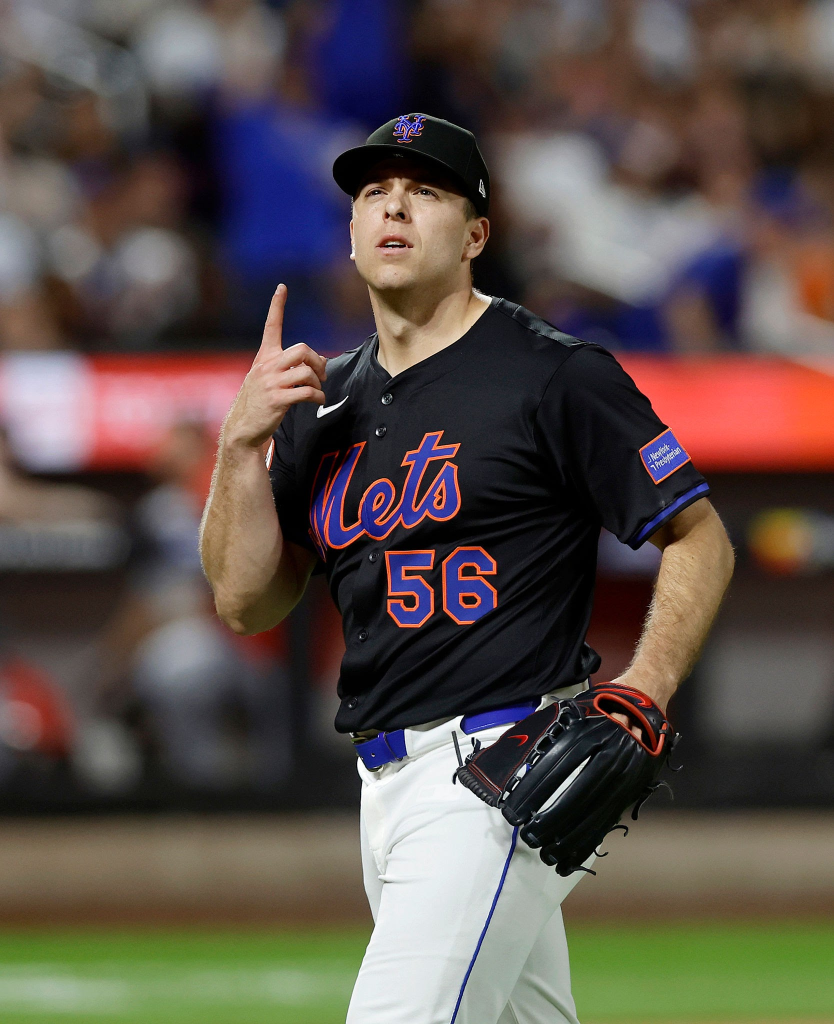
To me, the biggest indicator that ERA has fallen by the wayside as a useful statistic is the way that teams have spent money on pitchers so far this offseason. Here are the five largest pitching free-agent contracts that have been signed so far, and the ERAs for those players last season.
| Player | # of Years | Total Contract Value | 2025 ERA |
| Dylan Cease | 7 | $210 million | 4.55 |
| Devin Williams | 3 | $51 million | 4.79 |
| Cody Ponce | 3 | $30 million | 1.89 (KBO) |
| Ryan Helsley | 2 | $28 million | 4.50 |
| Emilio Pagan | 2 | $20 million | 2.88 |
It is admittedly early in the offseason, but there is a clear pattern here. Regardless of where the total values of these contracts end up relative to their peers, many of these are sizable financial commitments. A $30 million AAV for seven years is nothing to sneeze at, and an AAV of $17 million over three years for a reliever with an ERA close to 5.00 is mind-boggling. But things start to come into focus when we look at more advanced stats like FIP, K/BB, and Skill-interactive Earned Run Average (SIERA).
| Player | FIP | K/BB | SIERA |
| Dylan Cease | 3.56 | 3.03 | 3.58 |
| Devin Williams | 2.68 | 3.60 | 2.67 |
| Cody Ponce (KBO) | 2.15 | 6.15 | N/A |
| Ryan Helsley | 4.14 | 2.52 | 3.68 |
| Emilio Pagan | 3.72 | 3.68 | 3.18 |
| 2025 MLB Average | 4.16 | 2.64 | 4.06 |
For the most part, this select group of five pitchers looks far more impressive when comparing their advanced metrics to the league average. (Cody Ponce is an obvious exception, but the difficulty of translating his numbers in the Korean Baseball Organization to the American majors only underscores that teams are paying for something other than those surface-level stats.) Dylan Cease and Devin Williams, in particular, become far more appealing when ignoring their lackluster ERAs. It’s also why these two players have drastically different WAR figures based on where you look. Cease has an rWAR of just 1.1, but an fWAR of 3.4, while Williams has an rWAR of -0.3 and an fWAR of 1.4. Those disparities stem from the fact that pitching rWAR is based on runs allowed, while fWAR is based on FIP.
Using a collection of advanced metrics paints a far more complete picture of a pitcher’s abilities because, like the slew of hitting metrics we now use instead of batting average to evaluate a hitter, a single number can only tell one part of the story—and in the case of ERA, as with batting average, it’s a small and sometimes misleading fragment.
Many supporters of ERA claim that its strength is that it tells you what happened, while FIP is a black box of confusing underlying numbers that are more predictive than descriptive. To me, this is more often the result of a misunderstanding of what FIP represents than anything else, because anyone familiar with the formula would notice that it, too, is descriptive. It’s calculated with actual numbers.
Tom Tango has a good article discussing ERA’s ability to predict itself in the short and medium term, and a significant contributing factor that limits its effectiveness is random variation from sequencing. Giving up a single hit each inning for five innings would result in a far lower ERA than giving up five hits in a single inning, followed by four perfect frames. By solely considering factors under the pitcher’s control, FIP helps remove a lot of noise from defensive miscues, and even the subjectivity of what is considered an earned run.
SIERA takes this to the next level, factoring in batted-ball events without the outcome (e.g., hit or out). Instead, this ugly formula simply weighs ground balls, fly balls, and pop-ups to arrive at a number that’s similar to FIP, but with more positive bias toward pitchers who can induce soft contact.
Strikeout-to-walk ratio is pretty straightforward, but some might be curious as to why the percentages aren’t separated. That’s because they do work together. A pitcher with a 40% strikeout rate seems far less effective if he also had a 15% walk rate. A pitcher with a 25% strikeout rate seems average, but could be elevated to elite with a 5% walk rate. Ultimately, strikeouts and walks seek to measure a pitcher’s ability to command the strike zone. Each individual metric still holds merit, but none carries enough context to serve as a high-level indicator without the other.
How does this affect the Brewers? As many of you already know, Milwaukee is one of the more analytically-minded big-league teams, and this shift in perspective has been a part of their strategy for a while now. It’s the reason why certain arms like Nick Mears and Trevor Megill seemed to take massive steps forward after arriving in Milwaukee. Mears had a 5.56 ERA but a 2.61 FIP with the Rockies before he was traded to the Brewers. In his final season with the Twins, Megill had a 4.80 ERA with a 3.29 FIP. Still, this is just one layer of the onion of pitcher evaluation. What makes Milwaukee great is that they also know how to dig into the deeper layers, and can identify whether a pitcher like Quinn Priester or Grant Anderson is on the cusp of greatness even if their advanced metrics still don’t make it obvious. Few teams center their evaluations even on FIP or similar metrics, these days. Instead, they have proprietary ways to measure and weigh pitch quality, biomechanical indicators, and opportunities for improvement via development.
If the Brewers look to acquire more pitching depth this offseason (or even if they decide to elevate some of their internal options to bigger roles), keep an eye out for arms that are more appealing under the hood. Milwaukee’s front office has a demonstrated history of finding undervalued assets and maximizing their upside, so if and when they end up making a move, try to look a little deeper than the ERA—and give the old “Advanced” section on FanGraphs a quick peek.