A BILLION-DOLLAR DEBT: LOS ANGELES REWRITES THE RULES OF THE PAYROLL
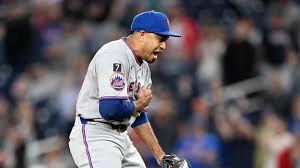
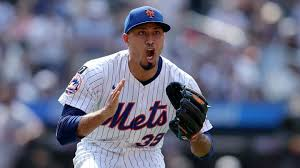
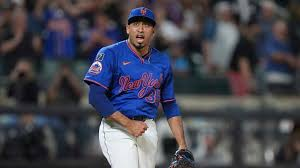
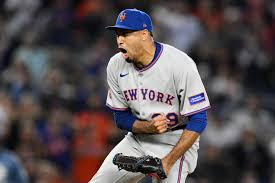
LOS ANGELES, CA—The Los Angeles Dodgers have officially crossed a financial Rubicon. Following the signing of elite closer Edwin Díaz to a three-year, $69 million deal, the franchise’s total deferred payment obligations have skyrocketed to a staggering $1.06 billion.1
This isn’t just a large number—it is a calculated, high-stakes wager on the future of the sport. By pushing payments for nine different players as far out as 2047, the Dodgers are essentially borrowing from the future to bankroll a dynasty today, forcing the rest of Major League Baseball to decide if they are willing to follow suit or get left behind.
THE DEFERRED DEBT ROSTER: WHO IS OWED WHAT?
The Dodgers have effectively built two teams: the one on the field today and the “Pension Team” that will be receiving massive checks through the 2040s.
Player
Total Deferred Amount
Payment Window
Shohei Ohtani
$680 Million
2034 – 2043
Mookie Betts
$120 Million
2033 – 2044
Blake Snell
$66 Million
2035 – 2046
Freddie Freeman
$57 Million
2028 – 2040
Will Smith
$50 Million
2034 – 2043
Teoscar Hernández
$31.5 Million
2030 – 2039
Edwin Díaz
$13.5 Million
2036 – 2047
Others (Scott, Edman)
$46 Million
Varied through 2040s
TOTAL OBLIGATION
$1,064,500,000
Ends in 2047
THE STRATEGY: CASH FLOW vs. COMPETITIVE BALANCE
How can one team carry a billion dollars in debt without collapsing? The Dodgers are banking on three specific pillars of economic theory:
The Time Value of Money: $4.5 million in 2047 is worth significantly less than $4.5 million today due to inflation. By deferring, the Dodgers are essentially paying back “cheaper” dollars decades from now.
CBT Manipulation: For Luxury Tax (Competitive Balance Tax) purposes, MLB discounts deferred money to its “present-day value.” This allows the Dodgers to keep their current tax hit lower than their actual talent level would suggest, effectively “buying” a larger roster.
The Revenue Engine: Between the massive TV deal with Spectrum and the global marketing juggernaut that is Shohei Ohtani, the Dodgers believe their revenue growth will outpace their debt obligations.
THE CRITICISM: ARE THE DODGERS “BREAKING” BASEBALL?
While perfectly legal under the current Collective Bargaining Agreement (CBA), the Dodgers’ strategy has drawn intense fire from small-market owners and rival fans.
“This is a loophole being used as a weapon,” one anonymous NL executive noted. “They aren’t just outspending us; they are using financial engineering to ignore the risks that every other team has to live with.”
The critics argue that by pushing over $100 million in annual payments into the late 2030s (the high point hits in 2038), the Dodgers are creating a “too big to fail” scenario that could destabilize the league if their revenue ever dips.
THE BOTTOM LINE: CHAMPIONSHIPS AT ANY COST
The Dodgers’ message to the world is clear: Winning is the only metric that matters. By stretching the rules to their absolute limit, Andrew Friedman and the Dodgers front office have signaled that they are willing to risk a 2040s “financial hangover” if it means parading through the streets of Los Angeles today.
The risk is ignored, the payroll consequences are deferred, and the Dodgers remain at the top of the mountain—for now.