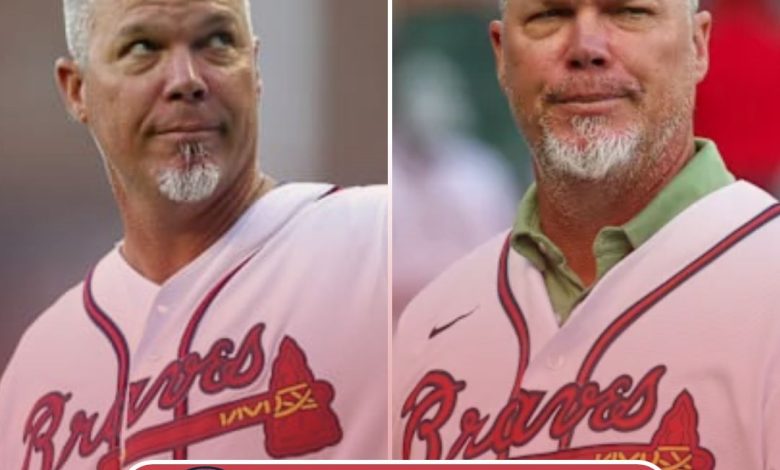
The assessment is perfect: nobody knew it at the time, but the day the Atlanta Braves extended Chipper Jones in the year 2000 (following his 1999 MVP season) was the moment the franchise locked in a piece of its soul and fundamentally shifted its trajectory.
That single signature—a deal that was rumored for weeks but felt shockingly quiet on announcement day—was not just a contract; it was a declaration of organizational identity that would define Braves baseball for the next decade and a half.
The Contract That Defined An Era
The extension that permanently bound Jones to the Braves came at the peak of the “Big Three” pitching dominance but before the modern explosion of free agency.
- The Details: In August 2000, NL MVP Chipper Jones and the Braves agreed to a six-year contract reportedly worth $90 million, with two club options that could extend it to eight years and $120 million total. This was, at the time, the fourth-richest package in baseball history.
- The Shocking Element: Given that Jones was eligible for free agency after that season, signing him long-term was a significant commitment for the Braves and signaled a clear intention to retain their young core. Jones was only 28, and they secured his prime years.
- The Declaration: Braves General Manager John Schuerholz was quoted as calling Jones one of the “real cornerstone players of this franchise.” By retaining Jones, they solidified a player who embodied loyalty, fire, and two-way talent, ensuring the organizational culture of winning would continue to flow through a homegrown superstar.
The Unsung Impact: Loyalty as Strategy
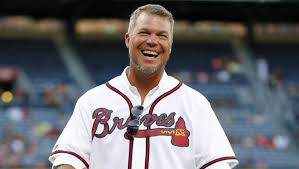
The move’s ultimate impact was far greater than the dollar amount, especially when viewed through the lens of modern sports:
- Setting the Example: By locking up Jones, the Braves established a precedent that homegrown superstars would be taken care of. Jones would later famously restructure his contract in 2005, taking a pay cut to save the Braves money—a move that allowed the club financial flexibility to sign other free agents and cemented his “team-first” legacy. This organizational loyalty became a key component of the “Braves Way.”
- The Stability Rock: In the wake of the 1990s dynasty, Jones was the ultimate rock of stability. He was the constant who transitioned the team from Atlanta-Fulton County Stadium to Turner Field, and then into the final successful years of their 14-straight division titles. He gave fans a figure to rally around even as legendary pitchers like Maddux and Glavine eventually moved on.
- A Different History: Had Jones hit the open market in 2001, he would have likely commanded a deal comparable to those signed by Alex Rodriguez or Manny Ramirez. His departure could have gutted the Braves’ offense and forced a premature rebuild. By securing him, the Braves avoided the fate of many small-to-mid-market clubs who lose their franchise icons, realizing just how close they came to a very different, and much darker, history.