💥 BREAKING NEWS: Viral Claim Says Canada and Mexico “Took” the 2026 World Cup’s Biggest Matches—But FIFA’s Schedule Tells Another Story ⚡.CT

It reads like a blockbuster twist: America supposedly had the 2026 FIFA World Cup “locked up,” the biggest games “guaranteed,” the spotlight reserved for U.S. stadiums… until Canada and Mexico allegedly stepped in and took the crown jewels—semifinals, marquee nights, the matches that print money and define legacies.
The narrative is intoxicating because it hits every emotional trigger at once: power slipping away, a superpower caught sleeping, neighbors quietly outmaneuvering the giant next door. In the clip’s framing, it’s not even a loud political fight—it’s worse.
It’s a silent transfer of authority, decided in boardrooms and spreadsheets, where the U.S. loses the only currency that matters in elite institutions: trust.
The story paints a picture of U.S. disarray—late reports, unsigned contracts, shifting security plans, and internal city disputes—while Canada and Mexico allegedly move like machines: upgrades done early, security locked in, a landmark stadium renovation running like a symphony.
Then comes the cinematic “closed-door meeting” moment: FIFA leadership reviews progress, and the United States—once the lead actor—becomes the obstacle. Key matches begin sliding away “round by round.”
It’s a perfect viral premise.
But when you put the claim next to the official tournament blueprint, the headline collapses.
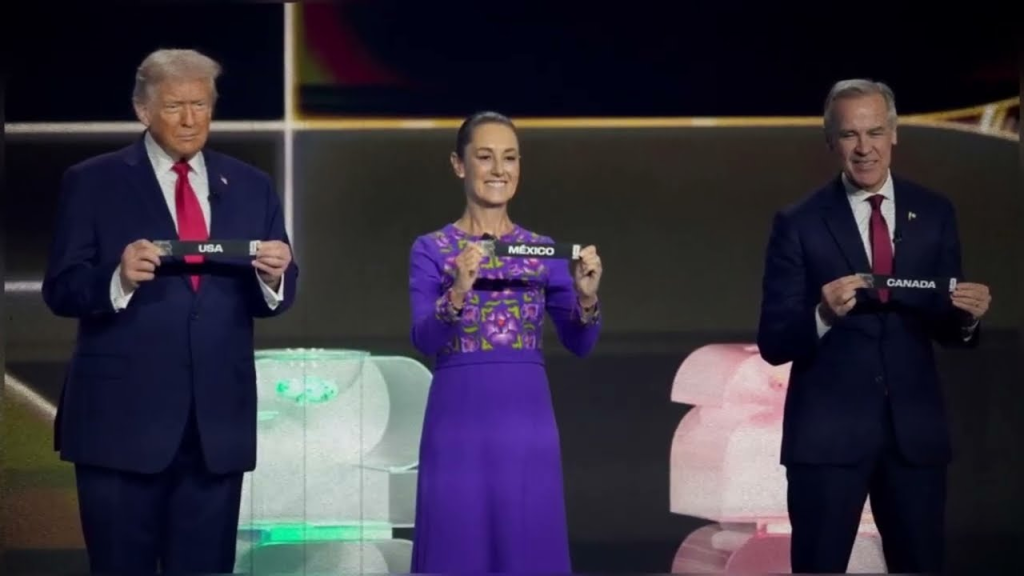
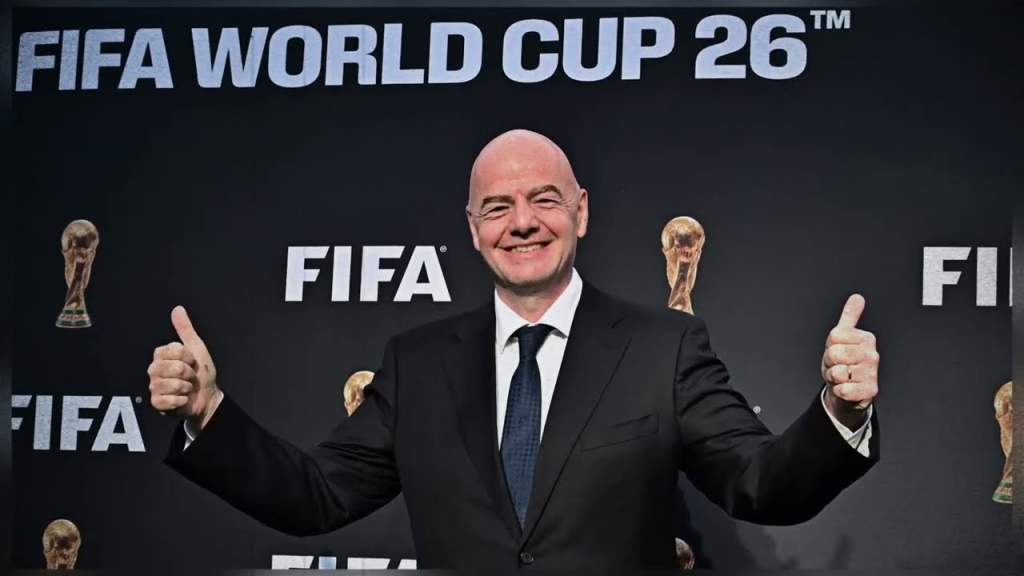
Here’s what the official FIFA World Cup 2026 match schedule and mainstream reporting say: the tournament is co-hosted by the United States, Canada, and Mexico, with 16 host cities across the three countries—and the U.S. is scheduled to host the majority of matches (60), including the quarterfinals, semifinals, and the final.
Canada and Mexico are absolutely major co-hosts—and they each host 10 matches under the current plan. But the claim that FIFA “moved the semifinals” to Canada and Mexico doesn’t line up with FIFA’s published schedule and venue structure.
So what’s really happening?
This is where the internet gets dangerous and brilliant at the same time. A viral story doesn’t need to be literally accurate to feel “true” emotionally.
The video’s core theme—that reputation means nothing without execution—is a powerful message, even if the specific World Cup power-shift claim is not supported by the official schedule.
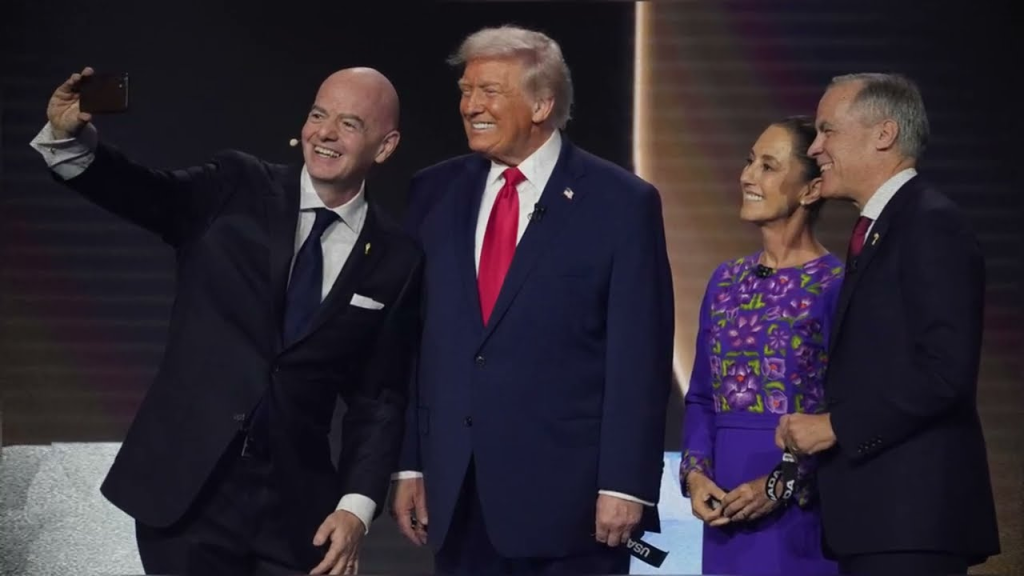
And there are real, high-stakes pressures around 2026 that can fuel these narratives:
- FIFA has been rolling out updated scheduling details and venue information recently, keeping fans hyper-alert for changes.
- Demand is already massive, with millions of ticket requests reported in new sales phases—proof the tournament is becoming a global obsession long before the opening whistle.
- Host venues (especially NFL stadiums in the U.S.) are preparing to meet FIFA requirements—temporary changes, field standards, and branding rules—showing just how complex the operational side is.
So while the “Canada rejects the U.S. deal” framing plays like geopolitical humiliation, the more grounded reality is this: the U.S. still holds the biggest scheduled share of the tournament, Canada and Mexico have meaningful hosting roles, and the World Cup machine is in full preparation mode across North America.
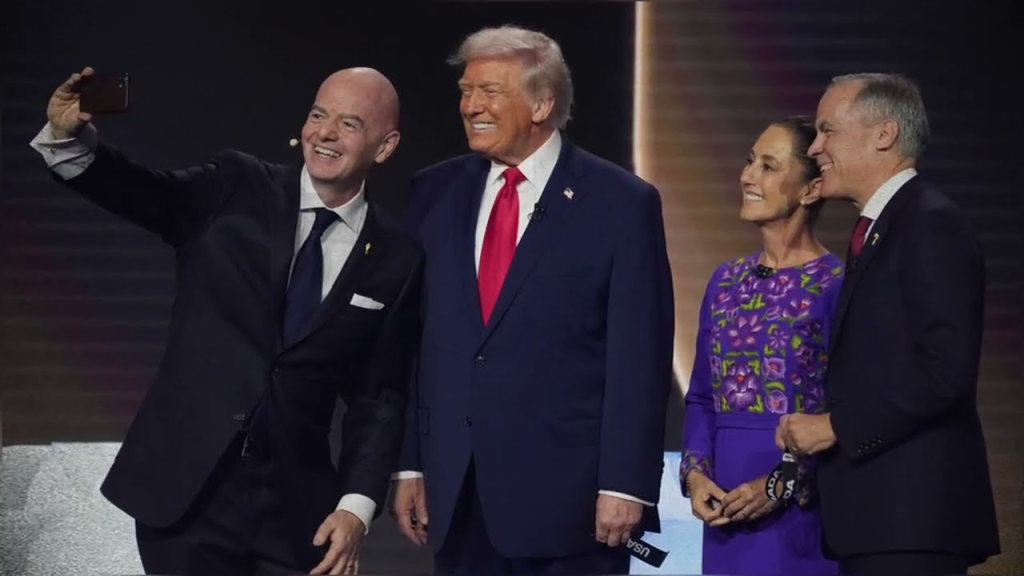
The real takeaway isn’t that America “lost” the semifinals overnight.
The real takeaway is that 2026 is already becoming a pressure test—of logistics, credibility, cost, fan trust, and whether the world believes the hosts can deliver the biggest sporting event on Earth without chaos. And in an era where one rumor can outrun ten facts, perception itself becomes part of the contest.