💥 BREAKING NEWS: A GOP rebellion erupts as Republicans join Democrats to gut Trump’s federal union crackdown in a shock House vote ⚡.CT

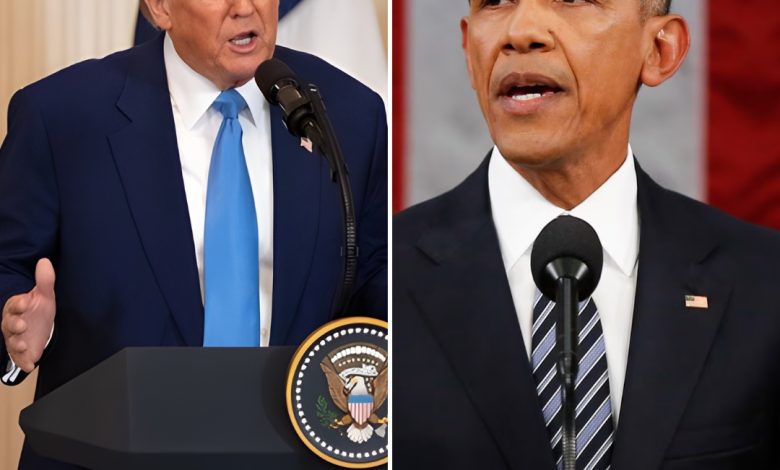
Something rare happened on Capitol Hill on December 11, 2025: a Republican-controlled House delivered a bipartisan slap to the White House—and it wasn’t symbolic. It was procedural, public, and painful.
By the final tally, the House voted 231–195 to reverse a Trump executive order that had curtailed collective bargaining rights for federal workers across more than two dozen agencies, justified under the banner of “national security.”
What made it explosive wasn’t just the policy. It was the defiance: roughly twenty Republicans broke ranks to join Democrats and push the repeal through. (The viral framing says “13”—but the official count reported by major outlets was closer to two dozen.)
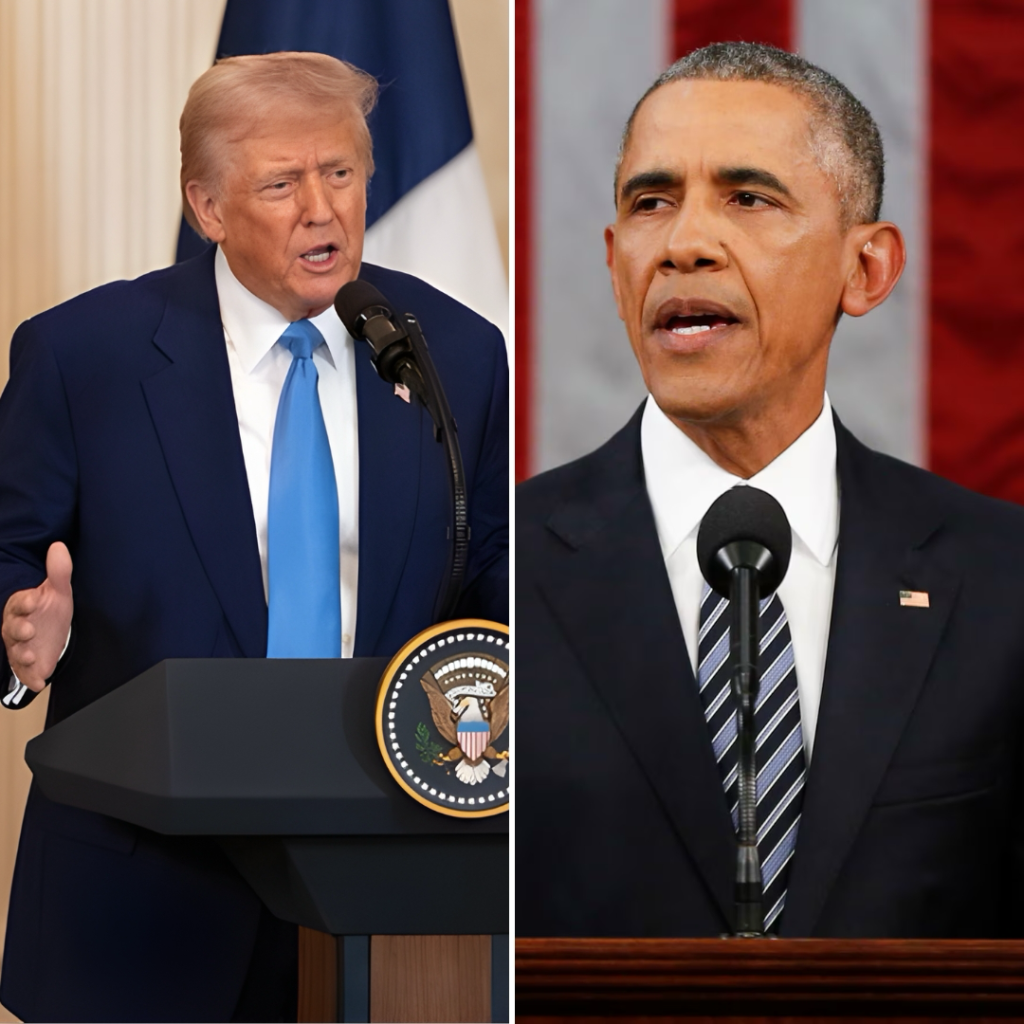
And here’s the twist that turned it from “news” into “earthquake”: this didn’t happen because leadership scheduled it. It happened because leadership couldn’t stop it.
The vote reached the floor through a rare discharge petition, a legislative escape hatch that bypasses leadership when a bill is being bottled up. In plain English: a coalition forced the House to confront the issue even if top Republicans wanted it buried.
The effort was led by Rep. Jared Golden (D-Maine), and the bill aimed to restore bargaining rights to a massive swath of the workforce—about 600,000 of roughly 800,000 federal employees affected, including many tied to the Departments of Veterans Affairs and Defense.
Why does that matter? Because Trump’s order wasn’t just a technical tweak. It cut union power where it hurts most: at agencies where workers argue that union protections can mean safer workplaces, clearer discipline procedures, and a way to flag problems without fear of retaliation.
Supporters of the order claimed the restrictions were necessary for national security. Critics said it looked like a union-busting power grab dressed up as patriotism.
The bill’s Republican supporters mostly didn’t go on TV calling Trump wrong—but their votes did the talking.
Two Republicans singled out in coverage, Rep. Brian Fitzpatrick (PA) and Rep. Mike Lawler (NY), framed their support around “dignity” and “representation” for federal workers.
Translation: these are swing-district lawmakers who heard the panic back home and decided the political cost of siding with the White House was worse than the cost of crossing it.
And that’s what made this vote so emotionally charged: it wasn’t about “Washington insiders.” The workers at stake are the people Americans actually rely on—those who serve veterans, support defense operations, and keep huge government systems running.
Unions and labor leaders celebrated the House action as a major win, calling it a firewall against a creeping normalization of stripping worker rights by executive decree.
But the bigger story—what has GOP leadership sweating—is what this reveals about Trump’s control.
For months, the assumption in Washington has been: if the White House wants it, the party falls in line. This vote cracked that image.
Not because Democrats won a messaging war, but because Republicans helped prove something far more dangerous to party discipline: Trump can be blocked inside his own tent.

Now comes the part nobody is saying quietly: even with a House win, this fight can still be throttled.
The repeal faces a brutal path in the Senate, where it would likely need enough Republican votes to break a filibuster—making the future uncertain. Meanwhile, the executive order itself has already been the subject of legal fights and continued political escalation.
Still, the House vote stands as a warning shot: when an administration pushes too far—when it looks like it’s trying to turn public service into a loyalty test—there are moments when the system pushes back.
And this one didn’t whisper. It echoed.